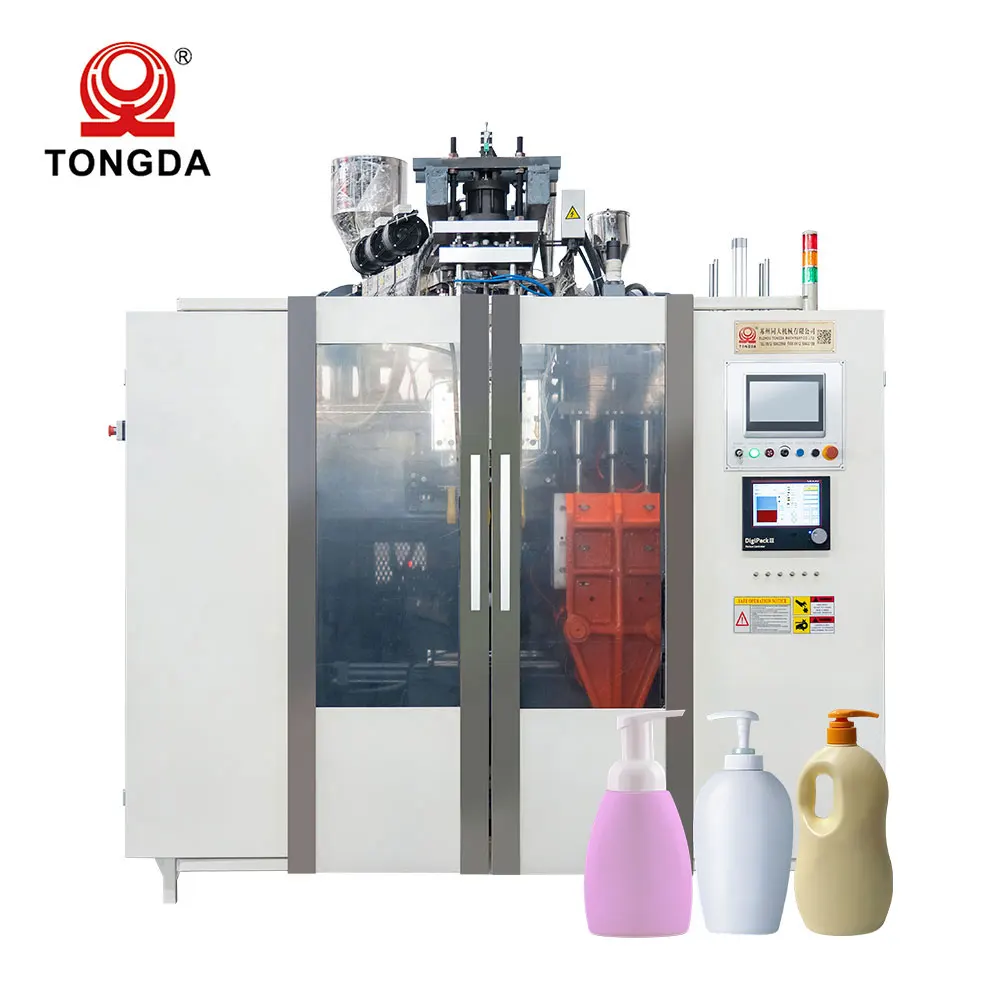
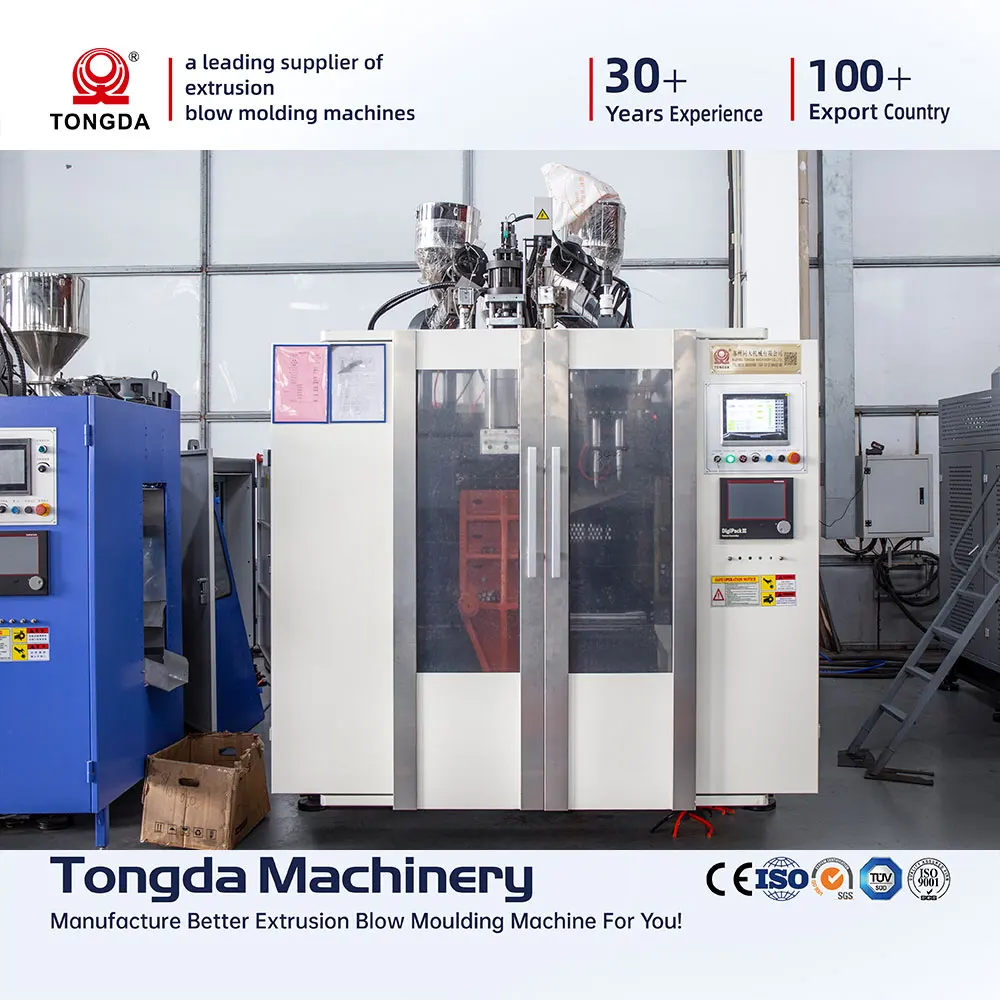
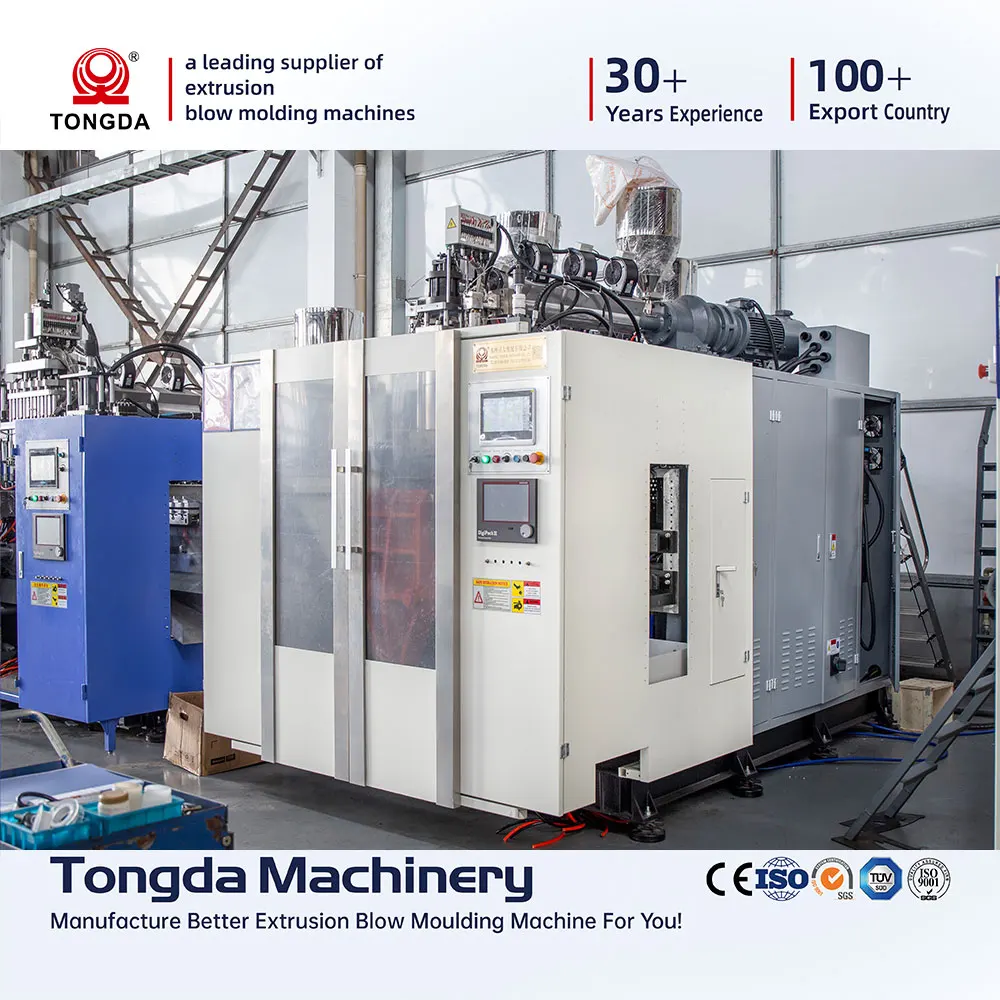
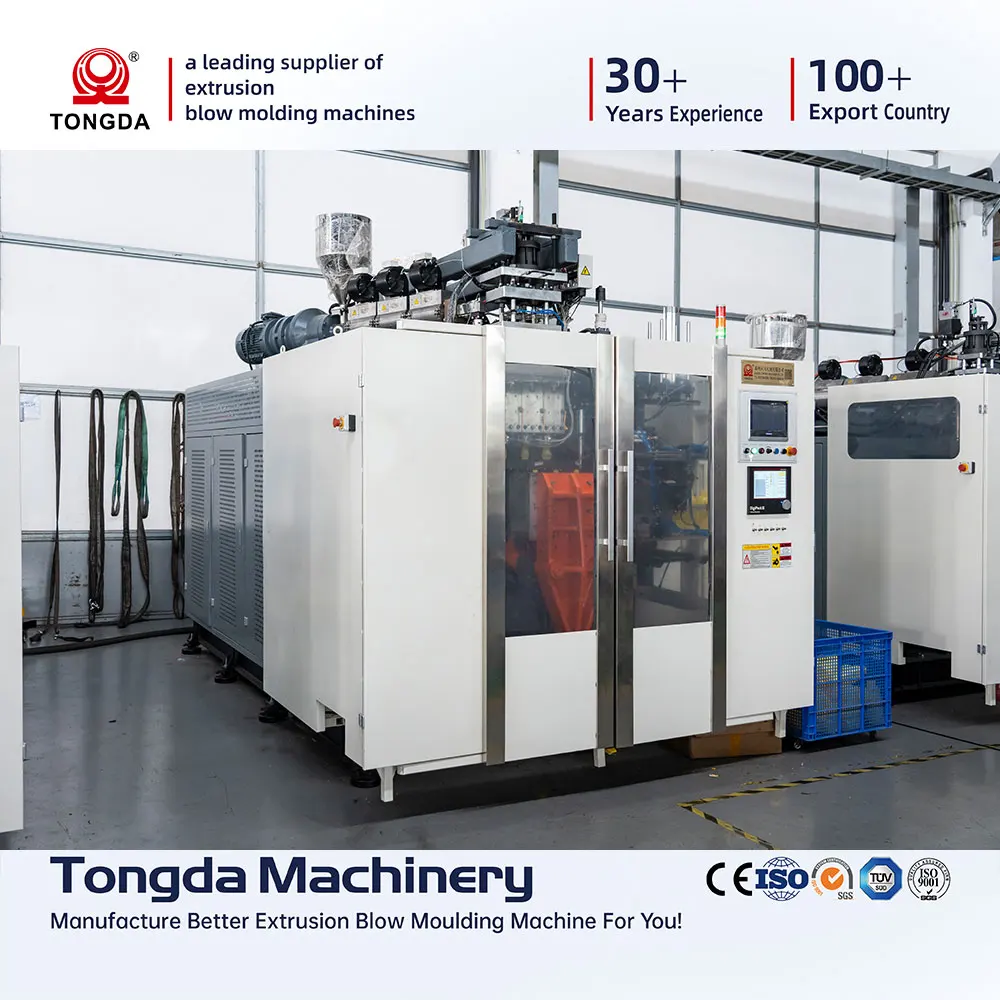
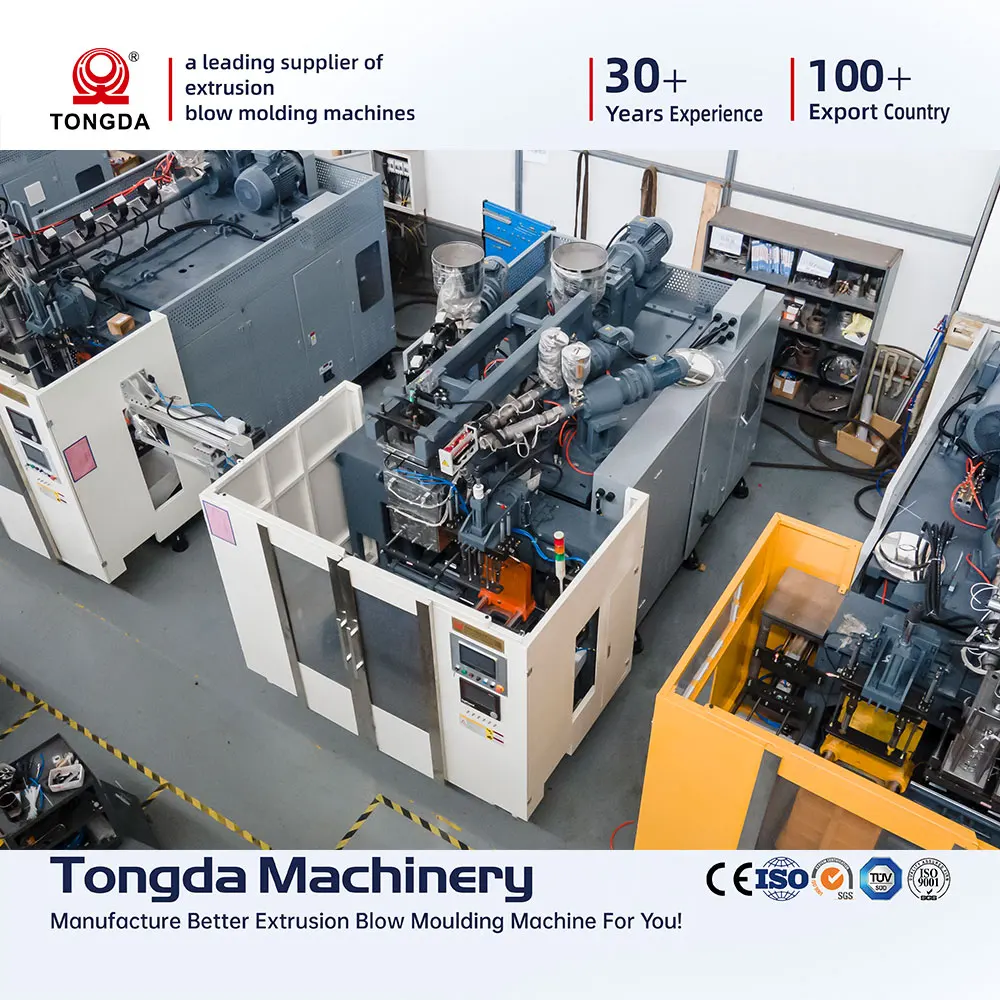
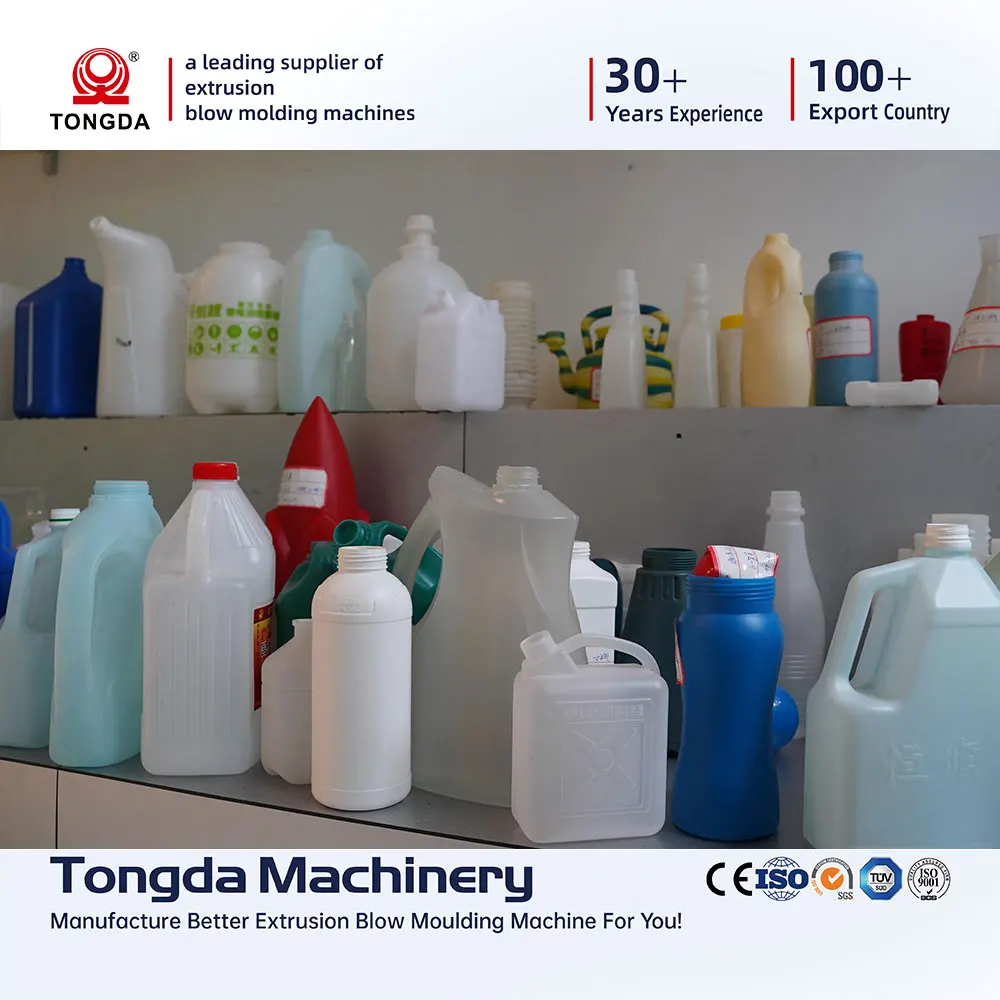
2/3L-1 Gallon HDPE Bottle


Automatic 2L 3L 1 Gallon HDPE Plastic Bottle Extrusion Blow Moulding Machine for Daily Chemicals Laundry Detergent Bottle
Designed to produce hollow plastic containers from 10mL to 20L, this extrusion blow moulding machine from Suzhou Tongda Machinery Co., Ltd. targets the 2L, 3L, and 1-gallon daily chemical bottle formats — the core sizes for laundry detergent, fabric softener, dishwashing liquid, and household cleaner packaging. Compatible materials include HDPE, PE, and PP.
Key Technical Features
Built-In Flash Trimming Device
An integrated flash trimming unit eliminates a separate downstream trimming station, reducing the total production cell footprint. For daily chemical bottle lines running high output volumes, keeping the trim function inside the machine frame means one fewer piece of standalone equipment to maintain. This reduces the physical span of the production cell and simplifies utility connections for coolant, compressed air, and electrical supply.
Rotating Blow Pin Rack
A rotating blow pin rack supports both straight-neck and slanted-neck container configurations. Slanted-neck bottles are common in daily chemical packaging where ergonomic dispensing is a product feature — fabric softeners and concentrated detergents frequently use this format. The rotating rack allows the same machine to run multiple neck styles without a complete die head changeover, directly relevant for facilities managing a mixed portfolio of container designs.
Five-Axis Gantry Machined Frame
The core structural frame is machined by a five-axis gantry machining center, holding all critical mating surfaces and alignment references to consistent dimensional tolerances at manufacture. For standardised container production, this frame-level precision supports sustained alignment between the clamping system, die head, and blow pin over the equipment's operational life. Accumulated frame misalignment is a known cause of increasing flash and wall thickness variation — controlling it at manufacture is more reliable than managing it through parameter adjustments.
Compact Integrated Layout
Integrating the flash trimming unit within the machine frame reduces the overall production cell footprint compared to a layout with a separate trimming station. For facilities running multiple blow moulding lines in shared manufacturing space, the compact configuration simplifies floor plan design and reduces the total utility connection points required per production cell.
Long-Term Production Stability
Wall thickness consistency, neck dimension stability, and container capacity uniformity directly affect downstream filling line and labelling station performance. The machine is designed for sustained output uniformity across extended production runs. Consistent containers reduce interruptions at filling operations caused by dimensional variation in incoming bottles. Actual production outcomes depend on installation quality, maintenance practices, and material batch consistency.
Application Scenarios
Daily Chemical Industry Packaging
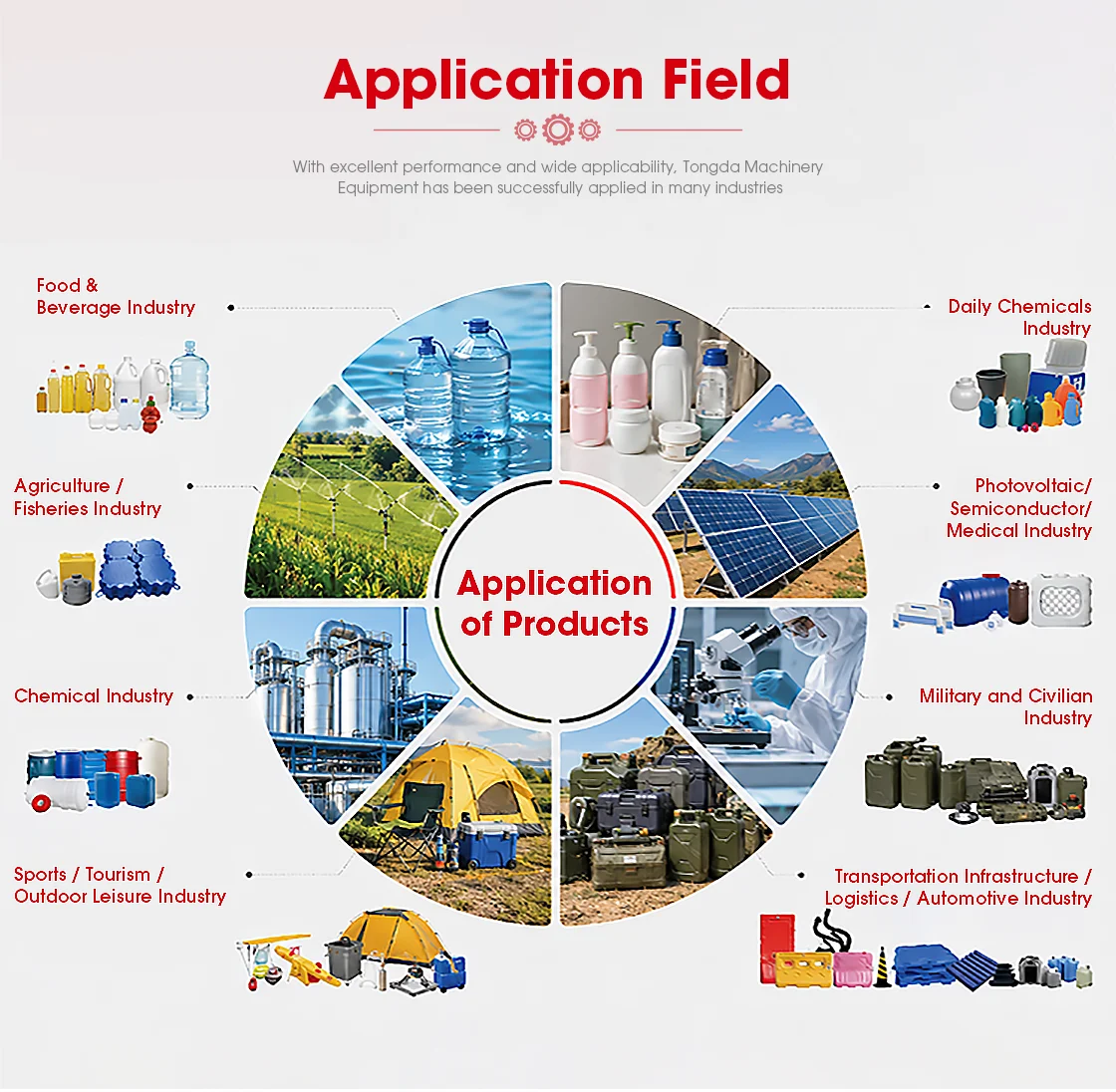
The primary application is producing 2L to 1-gallon HDPE bottles for laundry detergents, fabric softeners, dishwashing liquids, and all-purpose household cleaners. HDPE extrusion blow moulded containers are seamless single-piece structures with no assembly joints that could become leak pathways under product pressure or stacking load. HDPE's chemical compatibility covers standard alkaline and surfactant-based formulations used across the daily chemical category at ambient filling temperatures.
Chemical and Industrial Packaging
Beyond daily chemicals, the machine supports chemical and industrial liquid container production. HDPE, PE, and PP each offer different chemical resistance profiles; material selection for chemical packaging should be confirmed against the specific product's compatibility requirements before production configuration is finalised. This multi-material capability allows producers to manage packaging for adjacent product categories using the same equipment platform.
Adjacent Packaging Categories
Within the 10mL to 20L range, Tongda equipment has been applied to automotive care containers, agricultural chemical packaging, and outdoor equipment accessories. If your production requirements span multiple packaging categories within this volume range, Tongda can advise on whether a single configuration or multiple setups better match your container mix.
About Suzhou Tongda Machinery Co., Ltd.
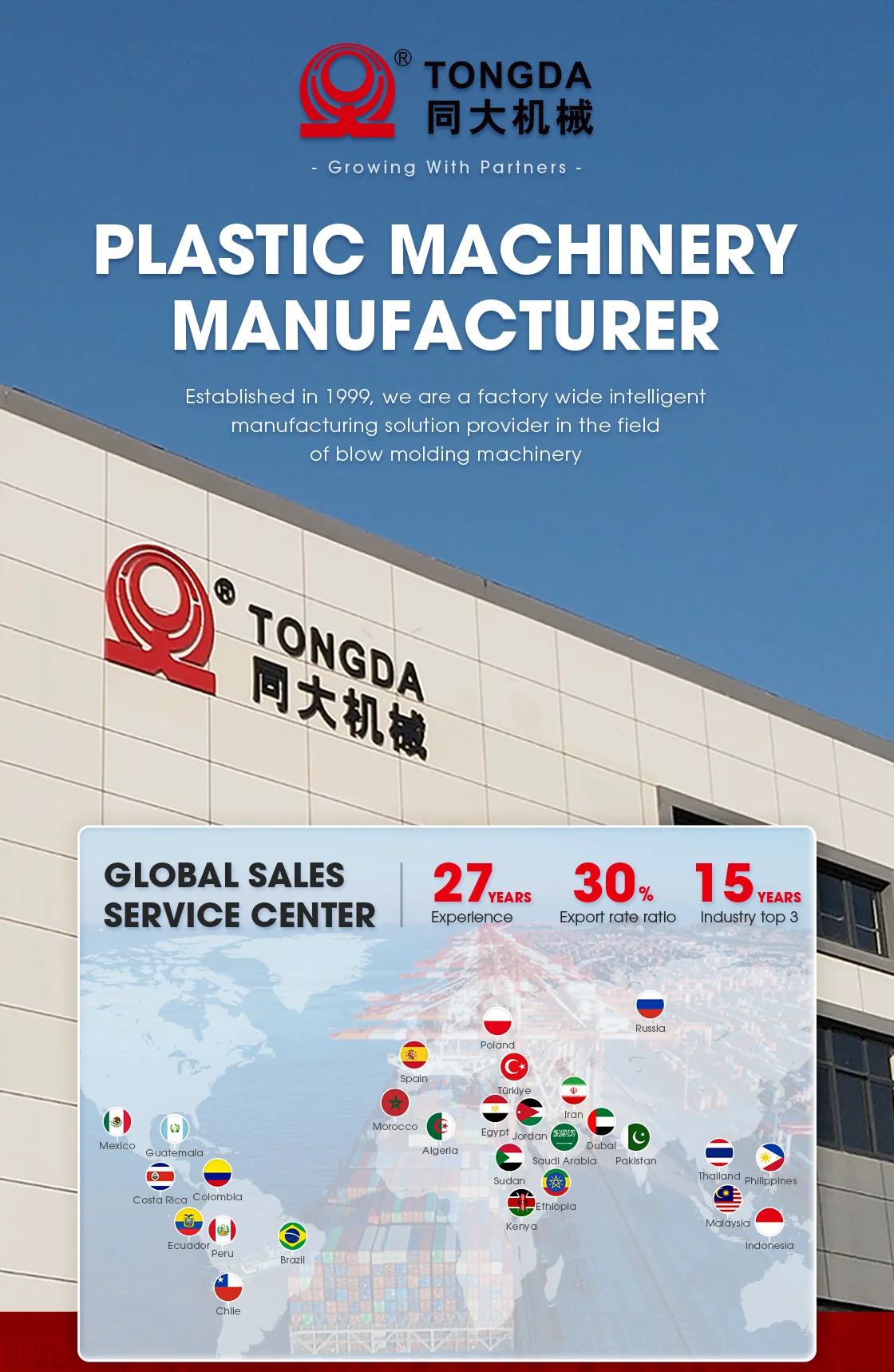
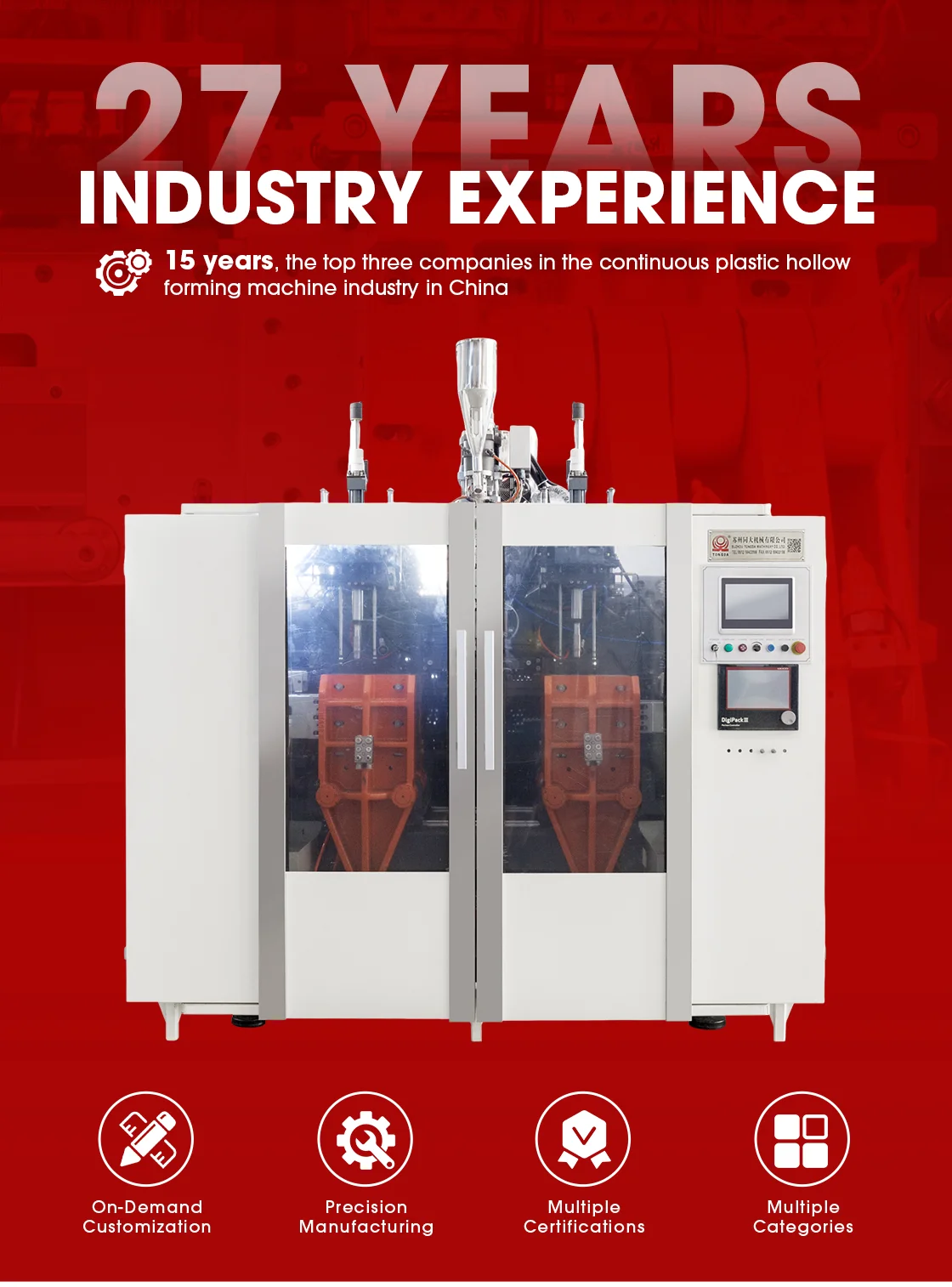
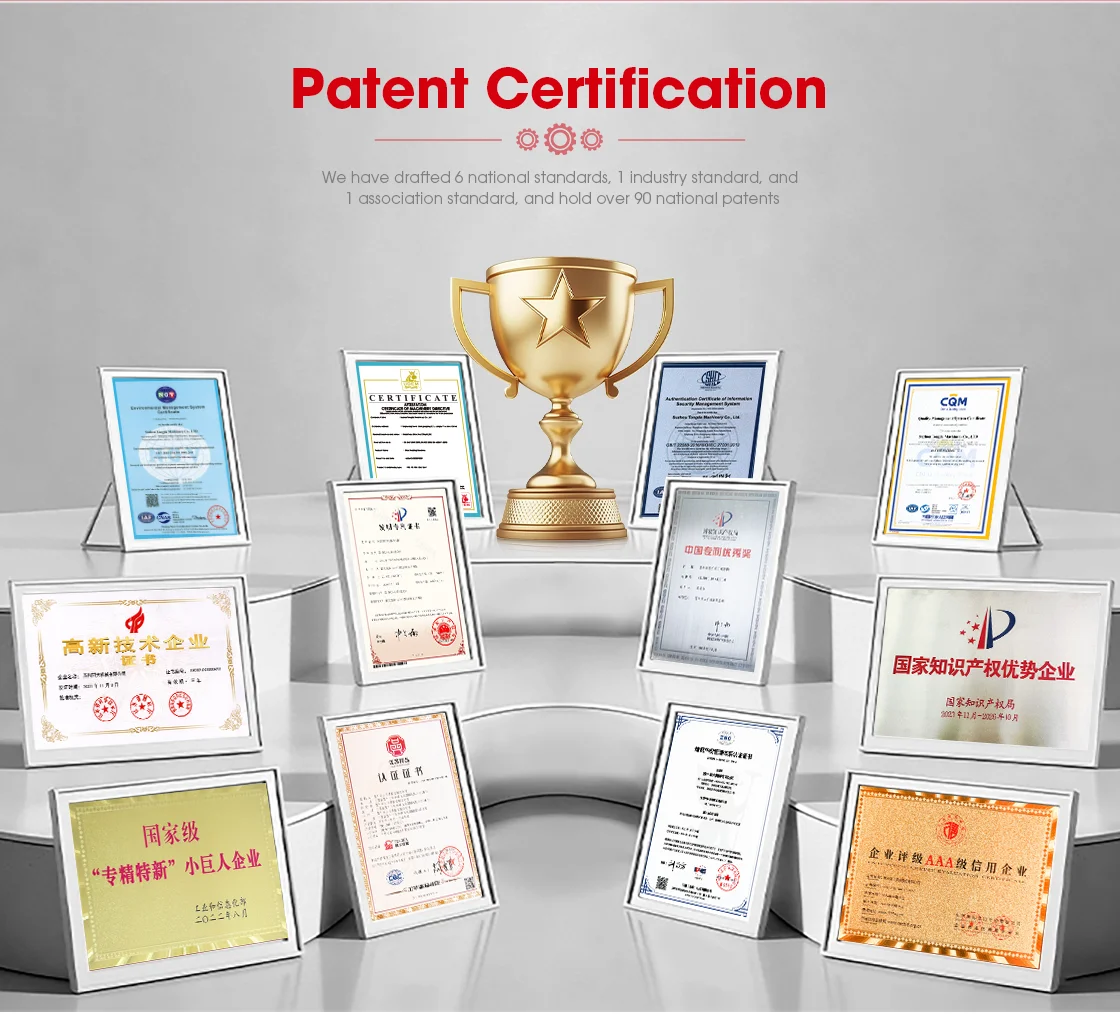
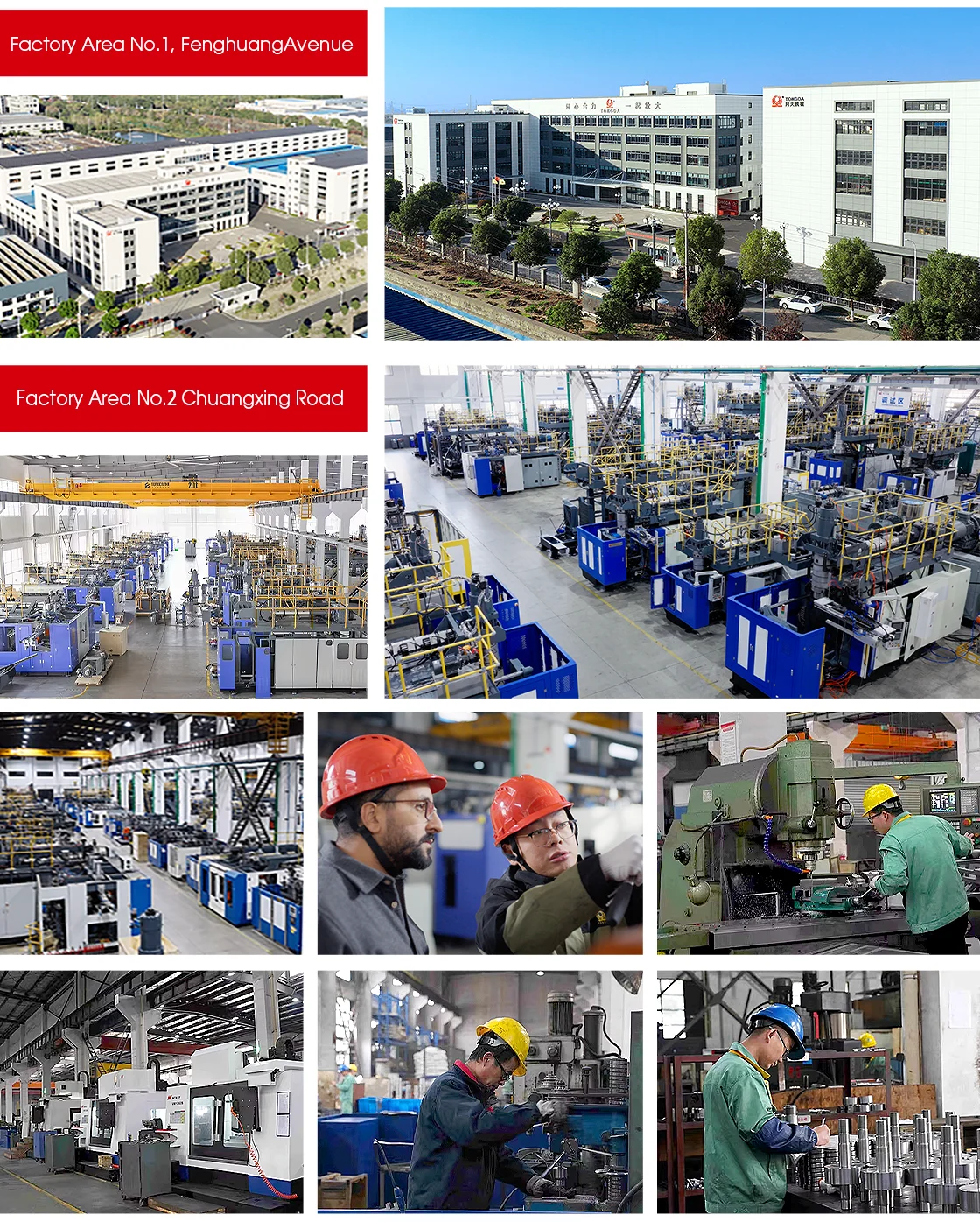
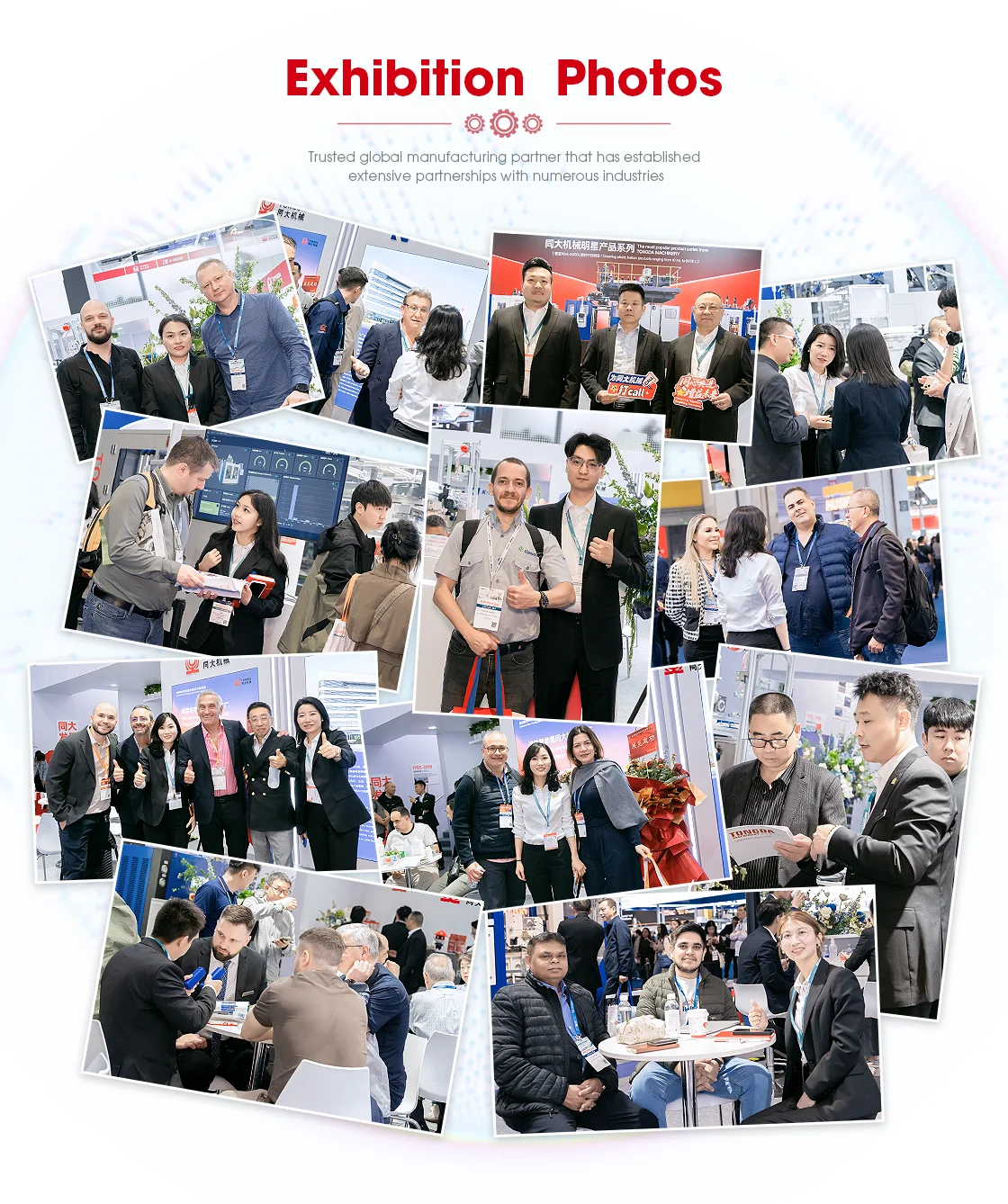
Suzhou Tongda Machinery Co., Ltd. was founded in 1999 and has specialised in extrusion blow moulding machinery for over 27 years. The company consistently ranks among the top three extrusion blow moulding equipment enterprises in China for 15 consecutive years and serves as Vice President Unit of the China Plastics Machinery Industry Association. Equipment has been exported to buyers in over 100 countries. Certifications include CE, ISO 9001, TUV, and SGS.
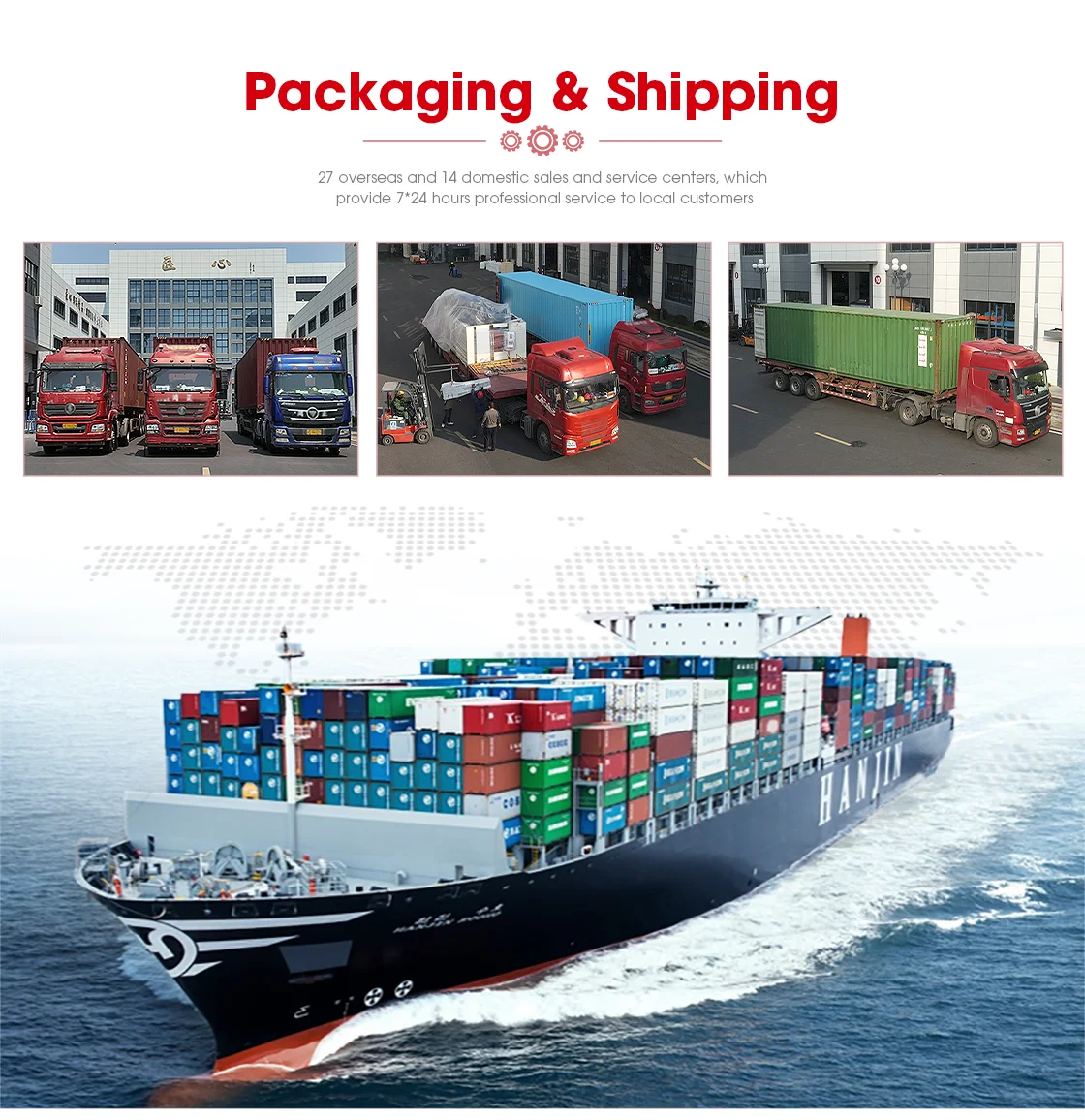
Each unit of the Automatic 2L 3L 1 Gallon HDPE Plastic Bottle Extrusion Blow Moulding Machine for Daily Chemicals Laundry Detergent Bottle is supplied with all necessary spare parts before shipment. Support services include 24-hour online technical assistance, video-guided troubleshooting, and on-site installation and commissioning by Tongda technicians. Same-day technical support is available for critical production issues. Customisation options cover container size, material, neck configuration, and production volume targets. Turnkey project support is available for buyers establishing new production lines.
Frequently Asked Questions
How do I get a price for this machine?
Are spare parts included?
What after-sale support is available?
What is the production lead time?
Can the machine be customised for specific container formats?
Which materials does this machine support?
Request a Quotation
To receive a configuration recommendation and quotation for your daily chemical or laundry detergent bottle production project, provide container size range, material specification, target annual volume, and neck configuration requirements. Tongda's technical team will respond promptly with specific machine recommendations.