Tongda machinery Leads the Development of China's First Industry Standard for All-Electric Extrusion Blow Molding Machines


TONGDA is proud to announce that the Association Standard for All-Electric Plastic Extrusion Blow Molding Machines (T/CPMIA 0301-2025) has been officially released by the China Plastics Machinery Industry Association (CPMIA).
As China's first technical standard dedicated specifically to all-electric extrusion blow molding machines, the new standard fills a long-standing gap in the industry by establishing unified technical specifications for this rapidly developing segment.
As one of the principal drafting organizations, TONGDA played an active and leading role throughout the development of the standard. Drawing on its extensive experience in all-electric blow molding technology, the company contributed technical expertise to help establish clearer requirements for machine performance, testing, inspection, and quality evaluation.
The release of this standard represents another important step toward greater standardization and technological advancement in China's plastics machinery industry. It also reflects the industry's ongoing transition from traditional hydraulic equipment toward more precise, energy-efficient, intelligent, and sustainable manufacturing technologies.
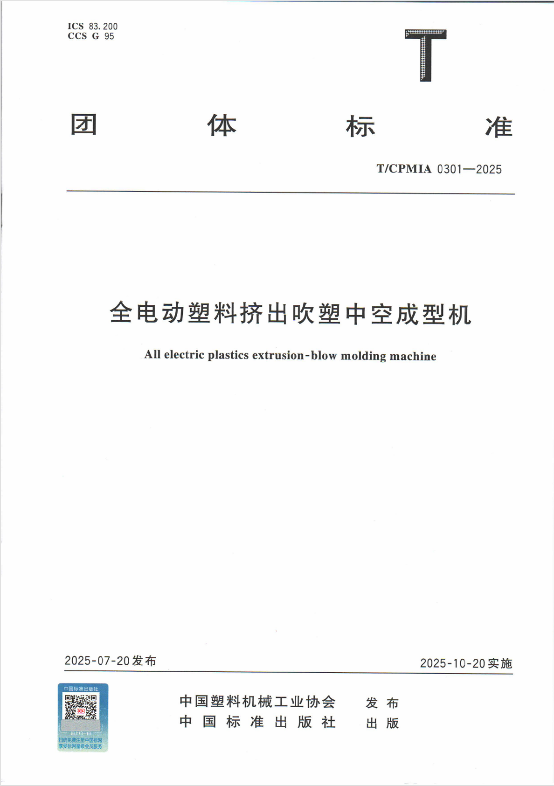
Setting New Technical Benchmarks for the Industry
The release of T/CPMIA 0301-2025 represents an important milestone for China's plastics machinery sector.
The standard establishes comprehensive technical requirements covering machine performance, testing methods, inspection procedures, marking, packaging, and quality evaluation, providing manufacturers, users, and testing organizations with a unified technical framework for all-electric extrusion blow molding machines.
A clear technical framework is particularly important as all-electric technology becomes increasingly relevant to modern manufacturing. Standardized requirements can help manufacturers establish more consistent quality expectations while providing equipment users with clearer technical references when evaluating and selecting machinery.
Beyond standardizing manufacturing practices, the specification places strong emphasis on precision, energy efficiency, operational safety, and intelligent manufacturing. These priorities align closely with the industry's broader transformation toward high-performance, digitalized, and environmentally responsible production.
Drawing upon nearly a decade of continuous innovation, TONGDA incorporated its proprietary expertise in electric drive systems, precision motion control, and energy-saving technologies into the formulation of the standard. Through this contribution, TONGDA is helping provide valuable technical guidance for future product development and the continued advancement of all-electric extrusion blow molding technology.
Nearly a Decade of Innovation in All-Electric Blow Molding Technology
TONGDA has been committed to advancing all-electric extrusion blow molding technology since launching its first HSE Series all-electric machine in 2016.
Over the following years, the company continued to expand its technology portfolio, introducing new solutions focused on energy efficiency, automation, precision control, digital connectivity, and production efficiency.
2017 – HSE-30L High-Speed Energy-Saving Model
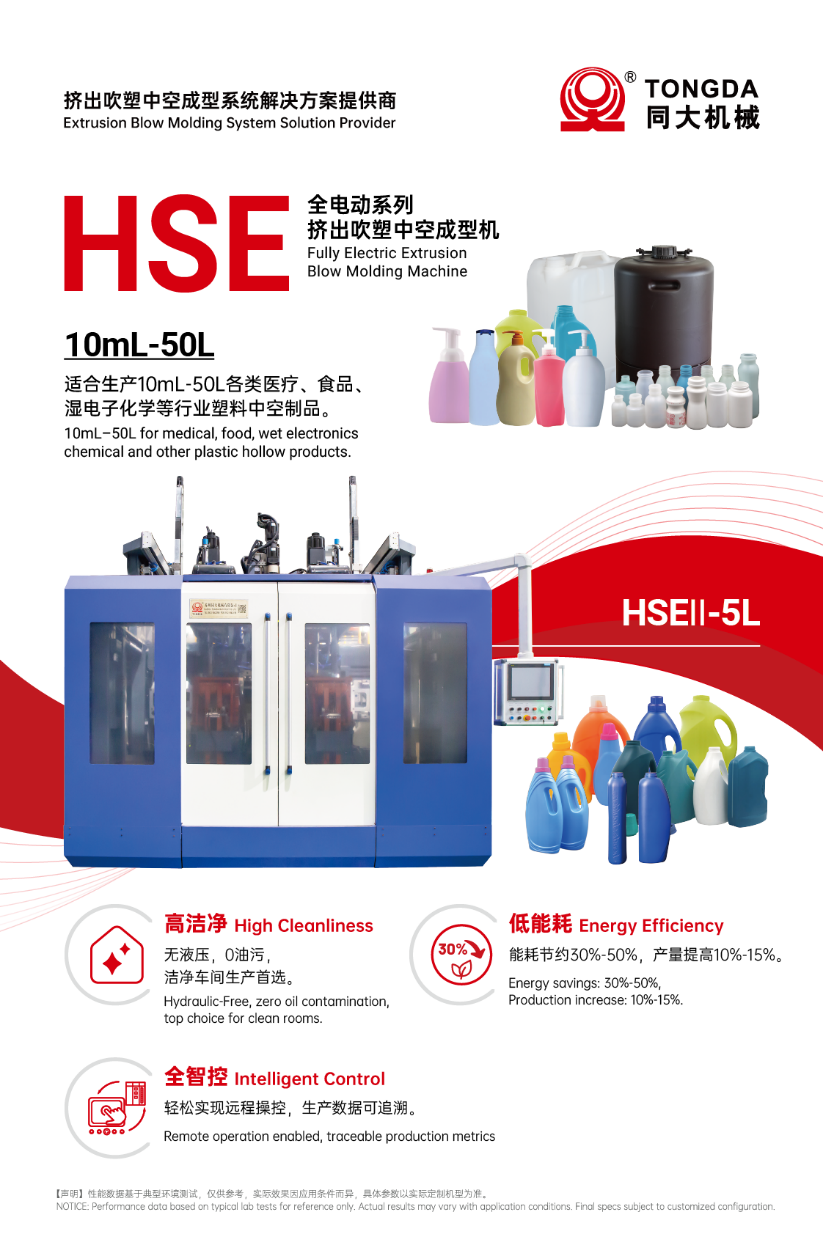
TONGDA introduced the HSE-30L, delivering exceptional energy efficiency with a plasticizing capacity of 4 kg per kWh. Compared with conventional hydraulic machines, the system reduces energy consumption by 30–50% while increasing production efficiency by 10–15%. Its clean operation makes it particularly suitable for highly regulated manufacturing environments such as the food packaging and medical industries.
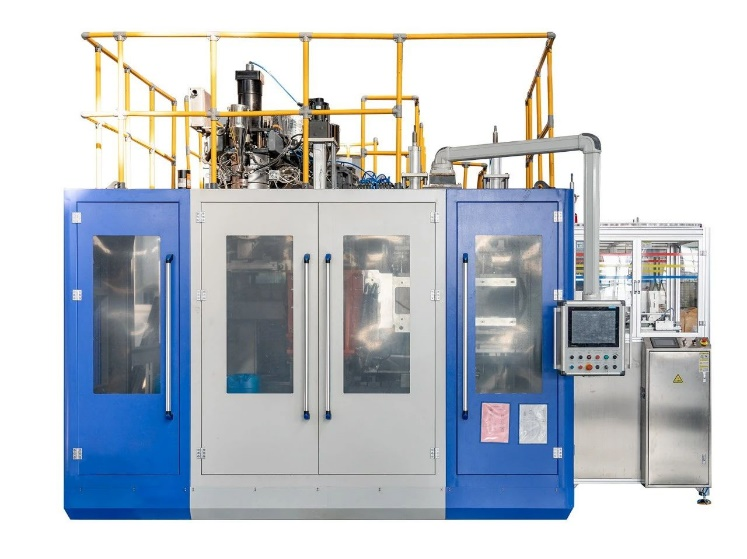
2020 – All-Electric Dual-Station Machine
The company expanded its all-electric portfolio with a dual-station model featuring integrated automatic deflashing and remote maintenance capabilities, significantly improving production automation and operational efficiency.
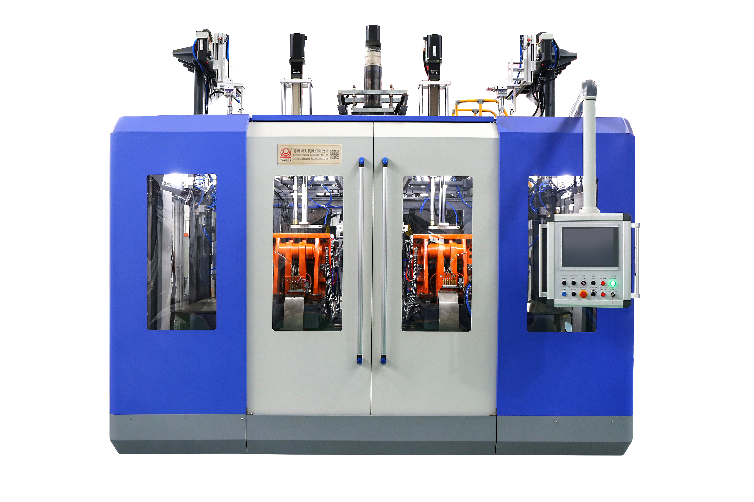
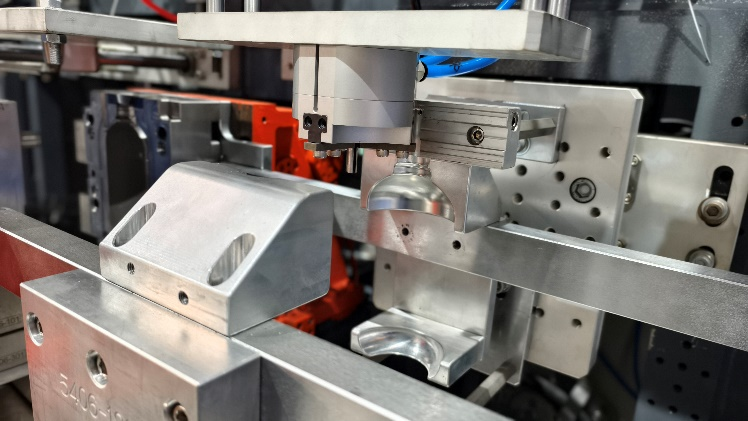
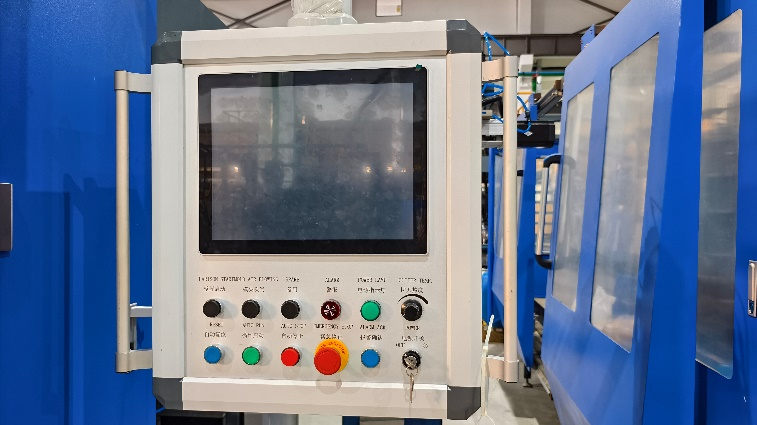
2021 – HSEII-5L
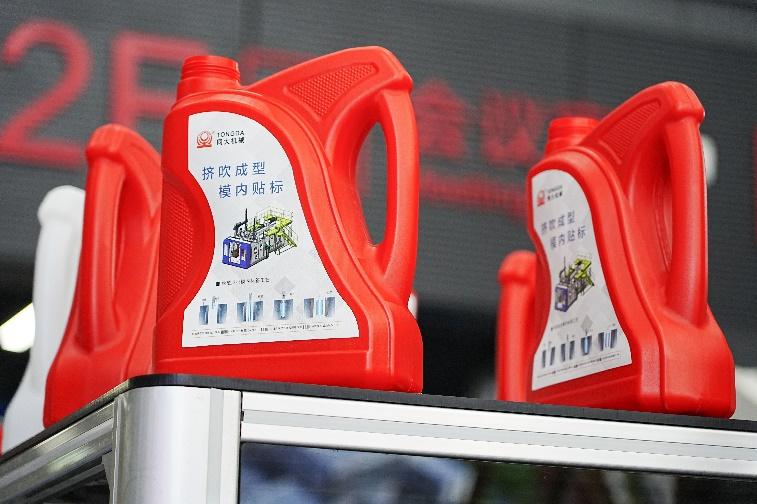
TONGDA launched the HSEII-5L, equipped with In-Mold Labeling (IML) technology and IoT-based remote monitoring. The machine received the Suzhou Quality Award in recognition of its outstanding performance, with key technical indicators reaching internationally competitive levels.
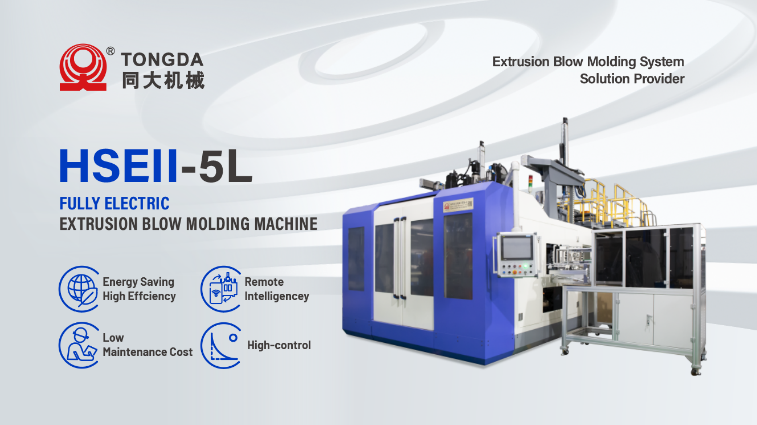
Three Core Advantages of TONGDA's All-Electric Technology
1. Sustainable Manufacturing
All-electric operation completely eliminates the risk of hydraulic oil leakage, ensuring a cleaner production environment while reducing energy consumption by 30–50%, helping manufacturers lower both operating costs and carbon emissions.
2. Intelligent Precision Control
Advanced servo-driven closed-loop control precisely manages mold clamping, parison extrusion, blowing, and other critical processes. Compared with traditional hydraulic systems, response speed is increased by approximately 40%, while mold transfer speeds reach up to 1.2 m/s, delivering micron-level wall thickness consistency for superior product quality.
3. Higher Productivity with Lower Operating Costs
All-electric systems significantly reduce routine maintenance requirements while increasing production output by 10–15%. Integrated data acquisition and remote traceability functions also provide a solid foundation for smart factory implementation and digital manufacturing management.
Driving Industry Standardization and Sustainable Growth
The T/CPMIA 0301-2025 standard was officially released on July 20, 2025, and will take effect on October 20, 2025.
To support the successful implementation of the new standard, TONGDA has already completed full compliance across its all-electric machine portfolio, enabling customers to upgrade seamlessly while meeting the latest technical requirements.
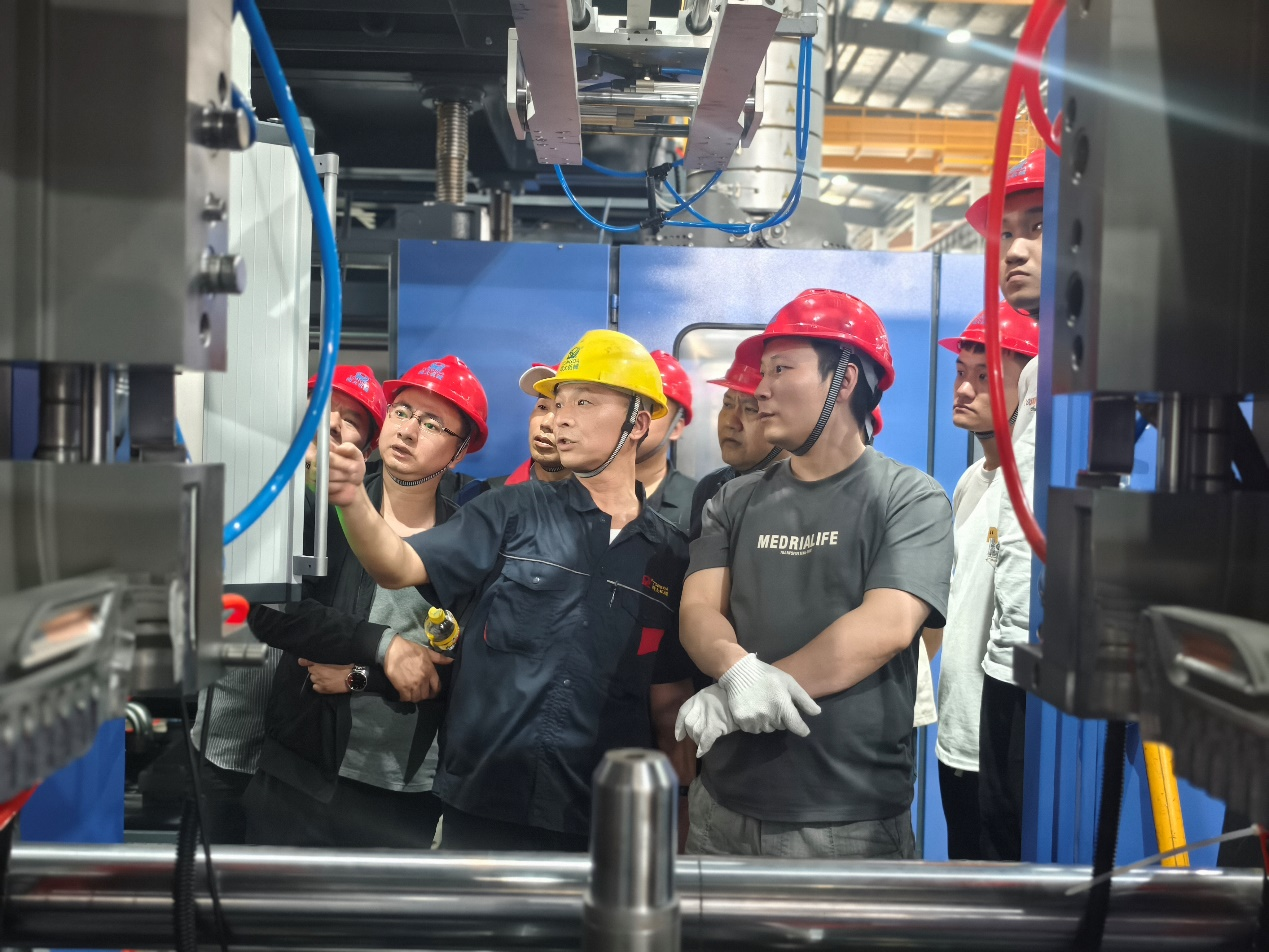
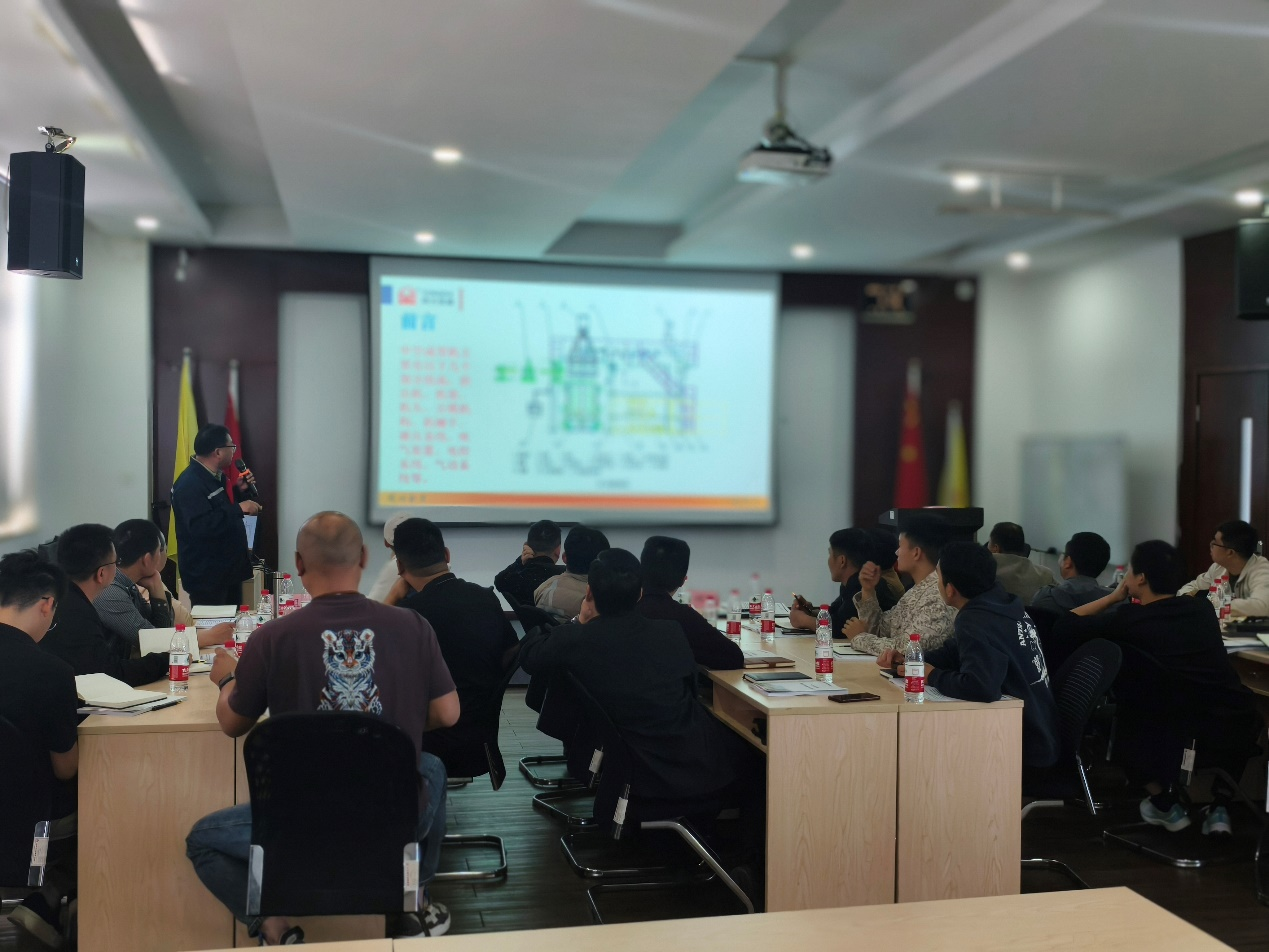
Backed by 41 global service centers, TONGDA also provides comprehensive technical support, including standard interpretation, equipment commissioning, and professional training programs. To date, the company has helped cultivate nearly 1,000 technical professionals, contributing to the long-term development of the global blow molding industry.
Continuing to Lead the Future of All-Electric Blow Molding
The implementation of this new industry standard provides clear technical guidance for equipment manufacturers, processors, and testing organizations, helping improve product quality, enhance market competitiveness, and promote healthy industry development.
As a technology-driven innovator, TONGDA remains committed to advancing all-electric extrusion blow molding technology through continuous R&D, higher-performance equipment, and ongoing support for industry standardization.
Together with partners worldwide, TONGDA looks forward to driving the future of high-end extrusion blow molding equipment toward greater standardization, intelligence, sustainability, and global competitiveness.