2L All-Electric Double Station


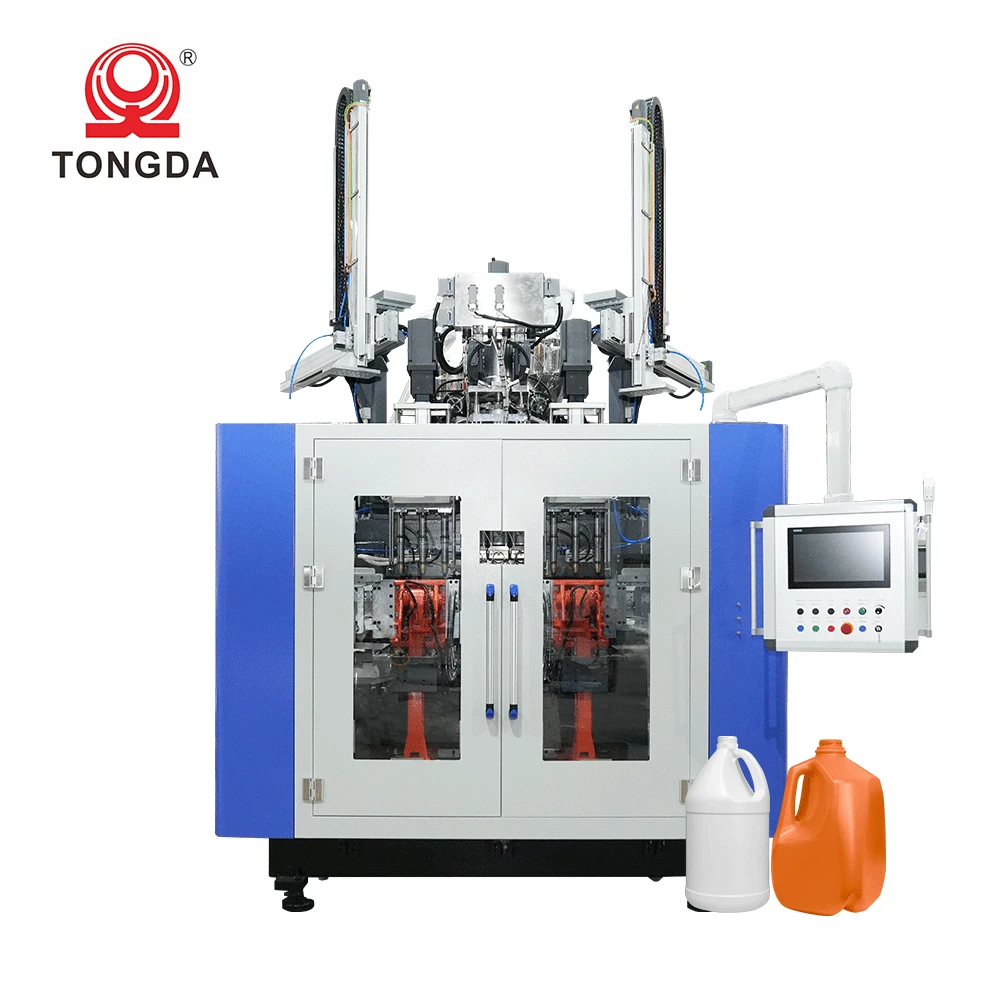
All Electric 2L Double Station High Speed Extrusion Blow Molding Machine
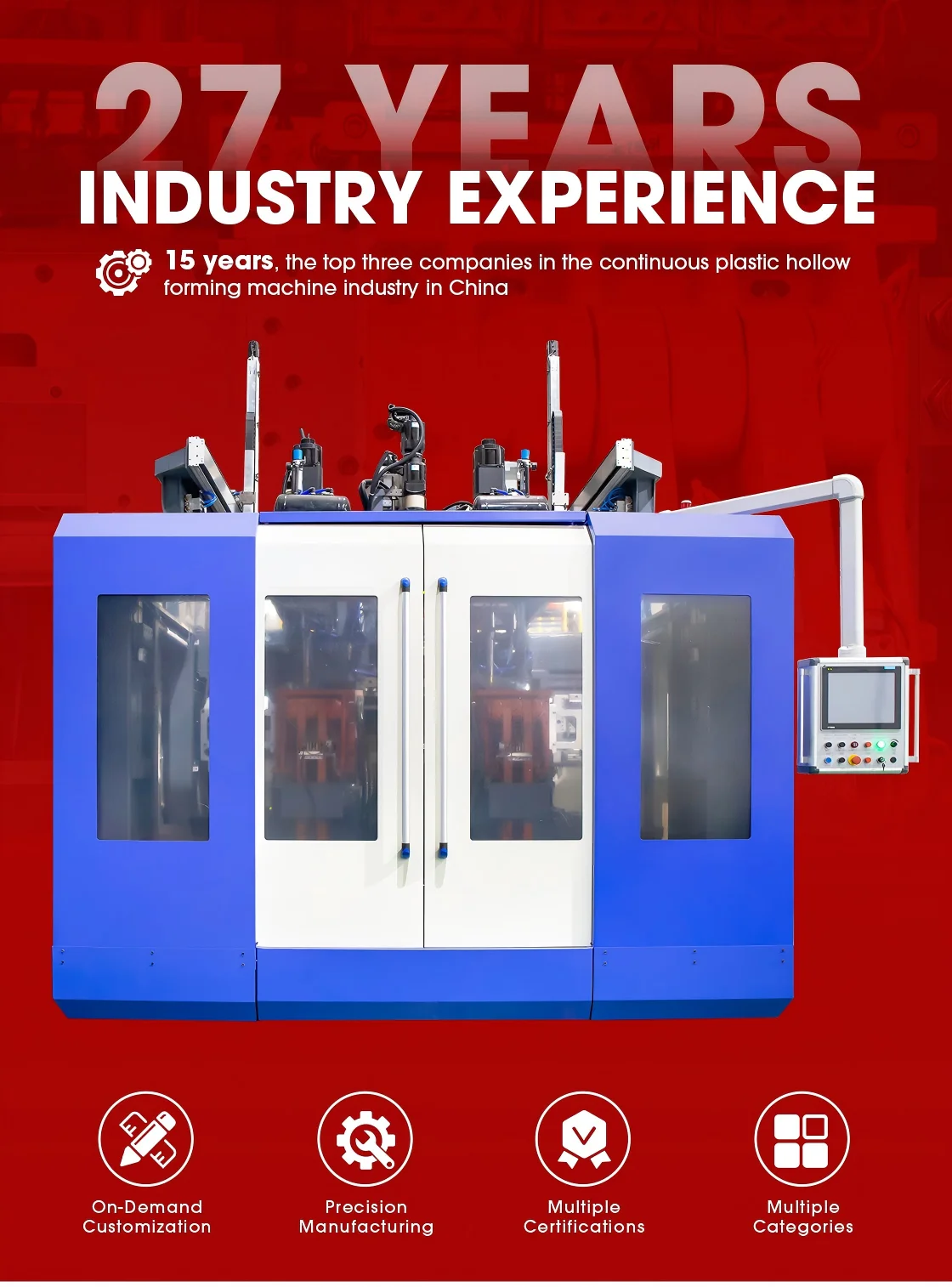
The All Electric 2L Double Station High Speed Extrusion Blow Molding Machine from Tongda Machinery is engineered for clean room precision production of hollow plastic containers ranging from 10 mL to 50 L. By replacing all hydraulic components with a full electric drive system, this machine eliminates the oil contamination risk that conventional hydraulic blow molders carry into sensitive production environments — a structural advantage for medical, food, and wet electronic chemical packaging applications.
When evaluating capital equipment for blow molded container production, the real decision drivers are long-term energy costs, contamination risk, and production consistency. This machine directly addresses all three: it reduces energy consumption by 30%–50%, increases production capacity by 10%–15%, and delivers zero oil contamination output for high-purity manufacturing requirements.
Core Technical Specifications
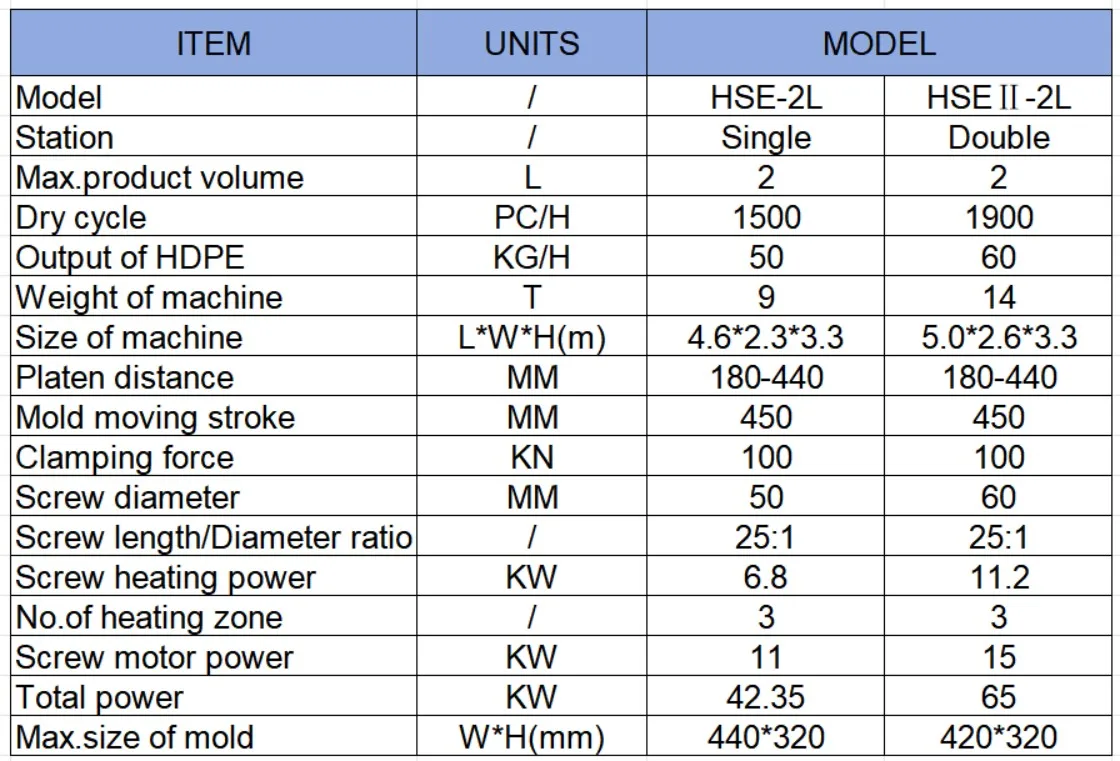
| Parameter | Specification |
|---|---|
| Drive System | Full electric — no hydraulic components |
| Container Volume Range | 10 mL to 50 L |
| Station Configuration | Double station |
| Production Speed | Up to 1,200 cycles per hour |
| Energy Savings | 30%–50% vs. conventional machines |
| Capacity Improvement | 10%–15% production increase |
| Compatible Materials | HDPE, PE, PP |
| Certifications | CE, ISO 9001, TUV, SGS |
Running any blow molding machine at peak cycle rate involves trade-offs. The practical measure of quality is whether it maintains dimensional tolerances and wall-thickness consistency at high throughput, not just peak cycle speed.
Key Functional Advantages
1. Zero Oil Contamination via Full Electric Drive
Conventional blow molding machines use hydraulic circuits for clamping, carriage movement, and parison cutting — each a potential source of oil vapor and micro-leaks. For medical packaging, food-grade containers, and wet electronic chemical bottles, this contamination risk is a genuine operational concern. The full electric architecture of this machine removes that contamination pathway entirely at the design level, not through downstream filtration.
2. Energy Efficiency: 30%–50% Cost Reduction
Energy is the largest recurring expense in continuous blow molding production. The optimized energy-saving structure of this machine reduces power consumption by 30%–50% versus conventional hydraulic models. For a factory running 16 hours per day, 300 days per year, a 35% energy reduction translates to tens of thousands of kWh saved annually — a compounding cost advantage that multiplies across a multi-machine facility.
3. High-Speed Double Station Output — 1,200 CPH
The double station configuration enables continuous alternating production cycles, increasing throughput compared to single-station machines. At up to 1,200 cycles per hour, this machine is suited for high-volume container lines. The dual-station layout minimizes idle time between cycles, with one station in the blow and cooling phase while the other completes parison extrusion and clamping.
4. Intelligent Control System with Fault Early Warning
The integrated control system supports real-time fault early warning, production data storage, and operational analysis. Plant managers can identify developing issues before they cause unplanned downtime. Production data logging also supports quality traceability requirements in regulated industries such as pharmaceutical packaging and medical device containers.
5. 10 mL to 50 L Container Range on a Single Platform
The machine produces containers from small precision bottles — 10 mL pharmaceutical vials and cosmetic bottles — through to 50 L industrial containers. This range reduces the need for separate equipment platforms and supports flexible production scheduling across multiple container SKUs on the same line.
Application Scenarios
Medical and Pharmaceutical Clean Room Manufacturing
GMP and production hygiene standards in medical and pharmaceutical packaging require equipment that eliminates contamination pathways at the mechanical level. The full electric drive architecture satisfies this without additional containment engineering around hydraulic systems, making this machine a direct fit for clean room environments.
Food and Beverage Container Production
Food-grade blow molded containers require consistent wall thickness, dimensional accuracy, and material purity. Compatibility with HDPE and PP, combined with an oil-free production environment, supports compliance with food contact material regulations in major export markets across the full 10 mL to 50 L container range.
Wet Electronic Chemical Packaging
Semiconductor cleaning solutions, photoresist strippers, and precision cleaning agents impose strict container purity demands. Even trace oil contamination can compromise product integrity in these applications. The all-electric architecture directly addresses this, meeting the clean room and contamination-free standards that wet electronic chemical packaging requires.
Tongda Machinery: Supplier Credentials
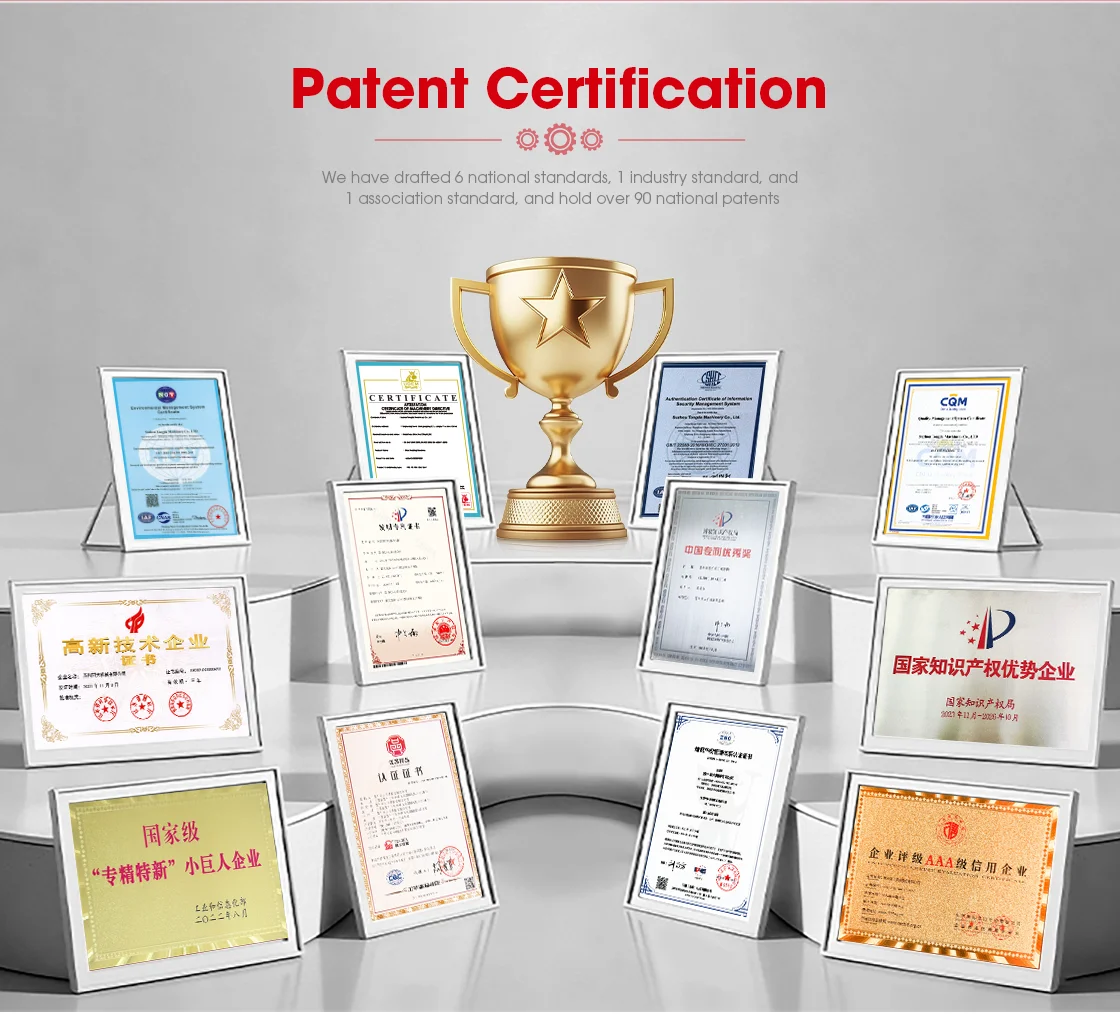
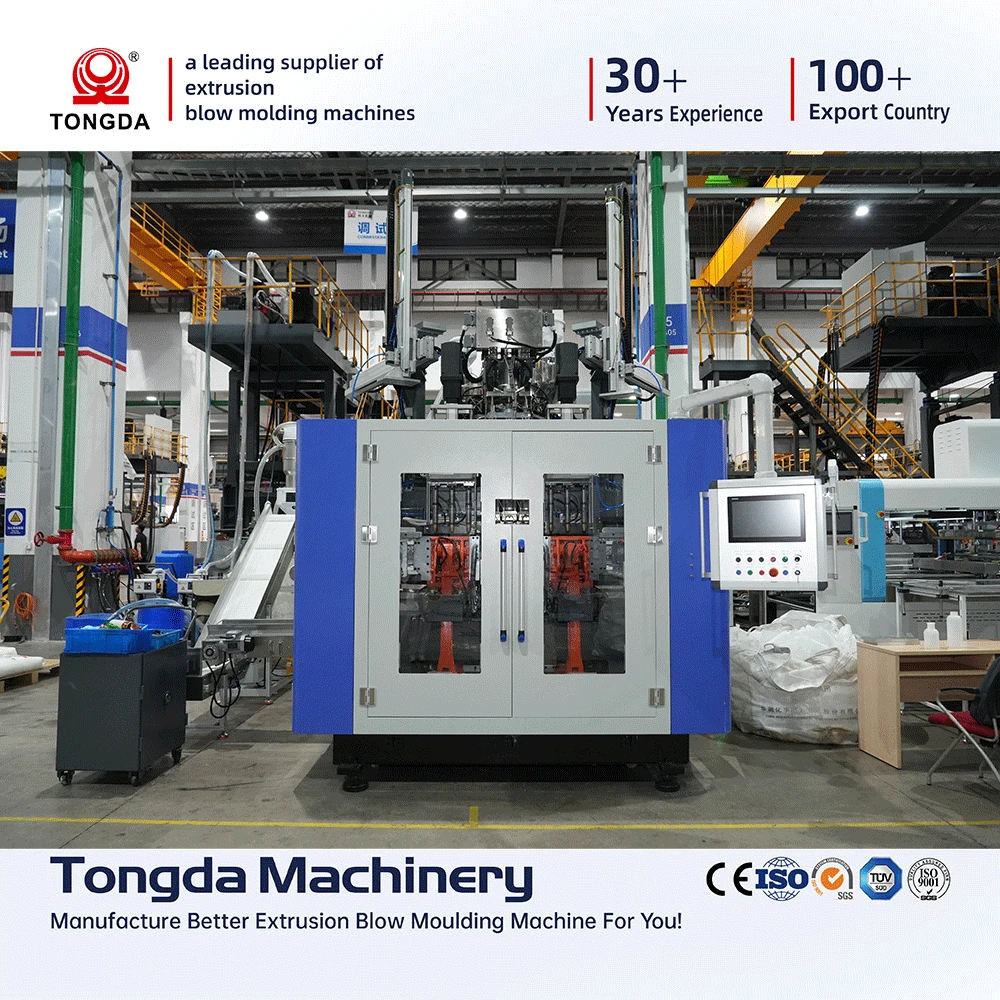
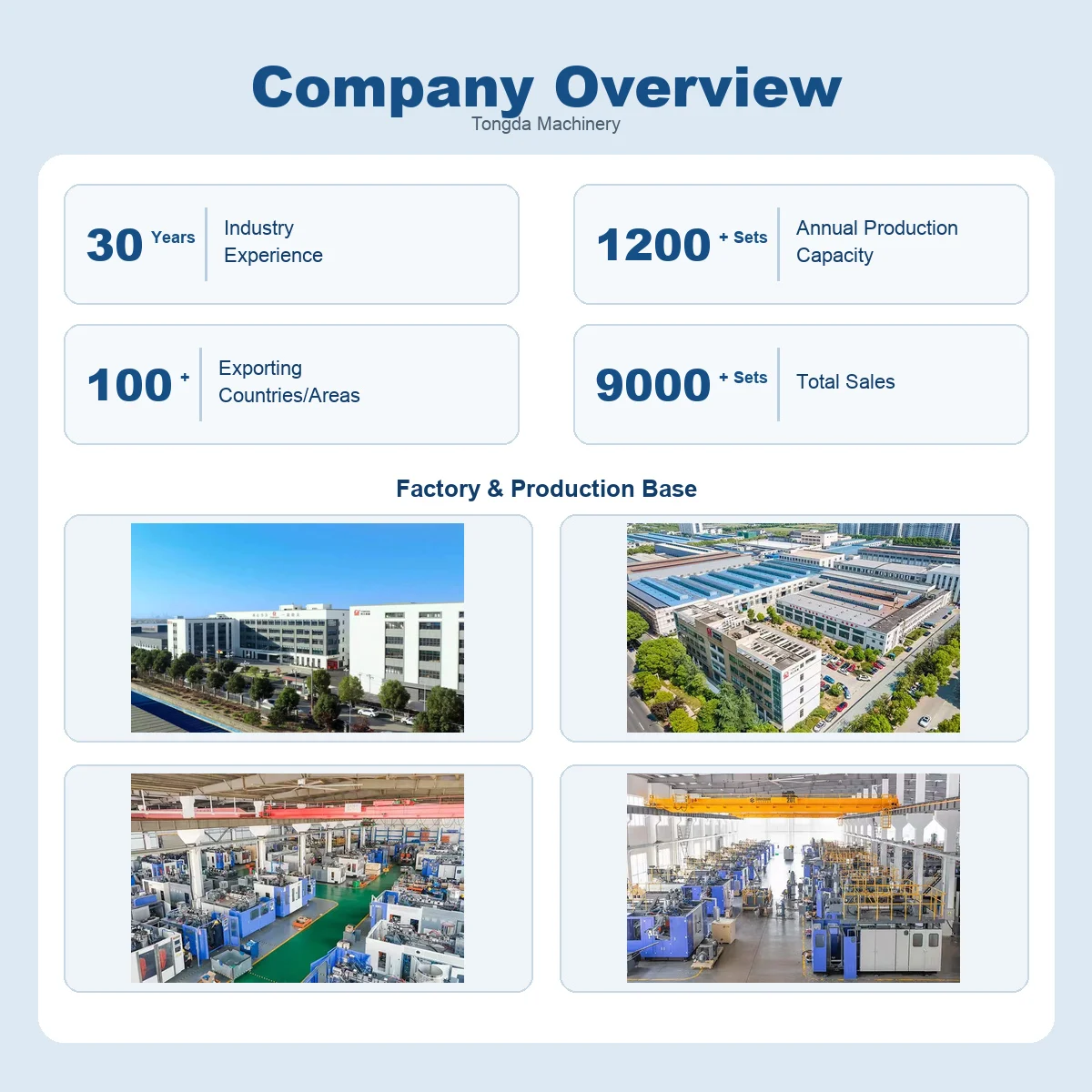
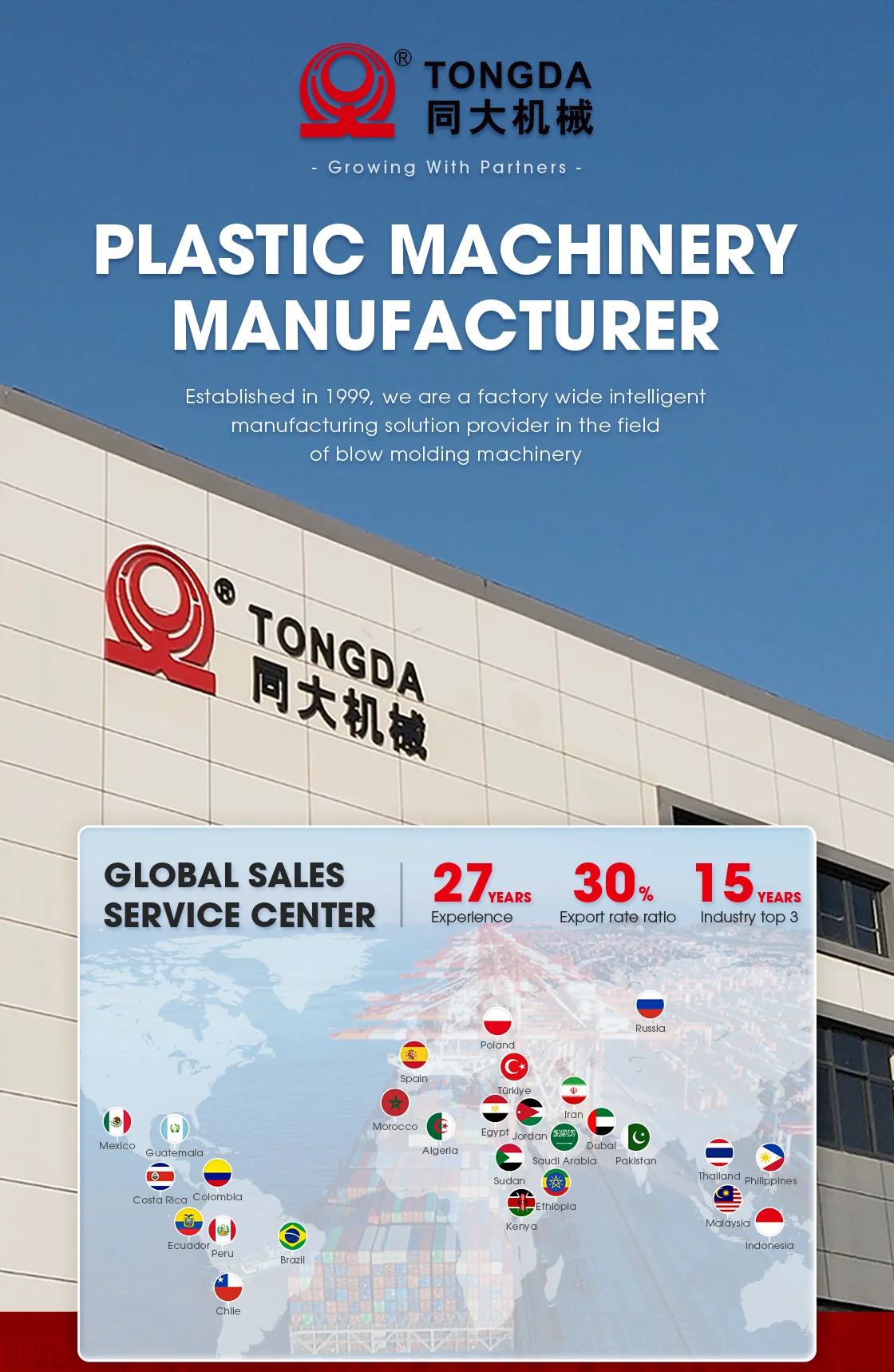
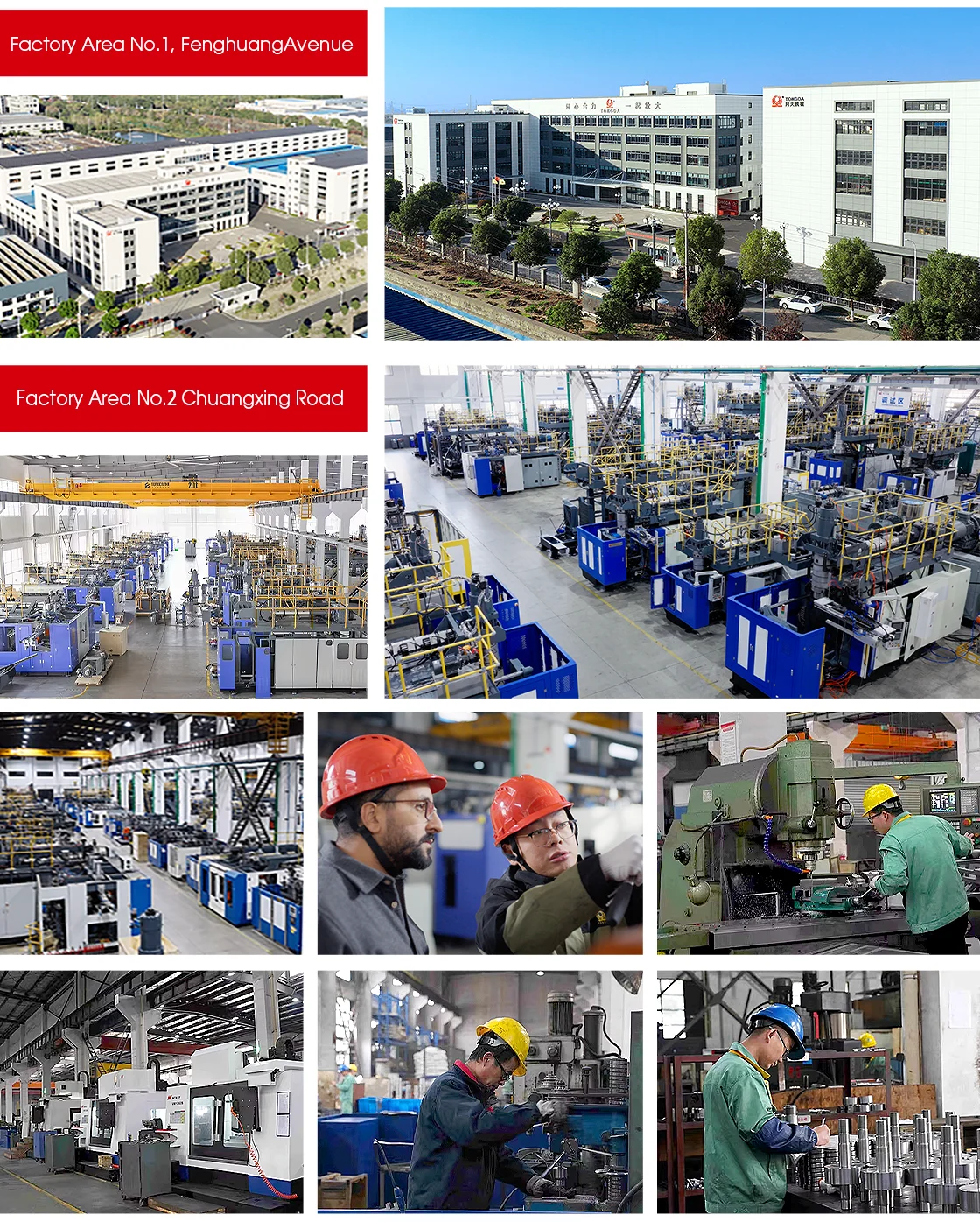
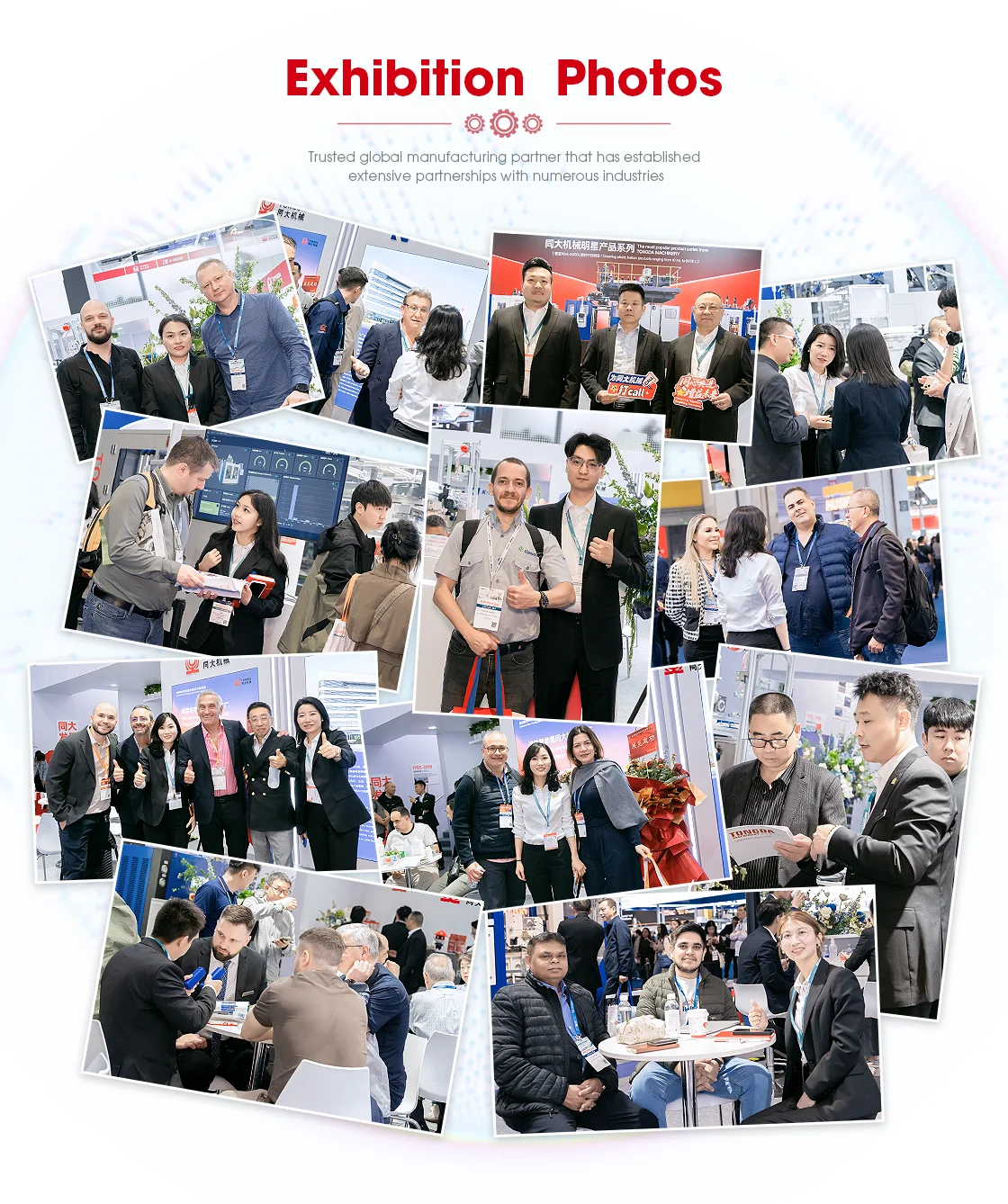
Suzhou Tongda Machinery Co., Ltd., founded in 1999, has specialized in extrusion blow molding equipment for over 27 years. Consistently ranked among the top three enterprises in China's extrusion blow molding equipment industry for 15 consecutive years. Annual production capacity: 1,200+ machine sets. Total sales: 9,000+ sets. Export markets: 100+ countries.
- Certifications: CE, ISO 9001, TUV, SGS — supporting compliance in European, North American, and Asia-Pacific markets.
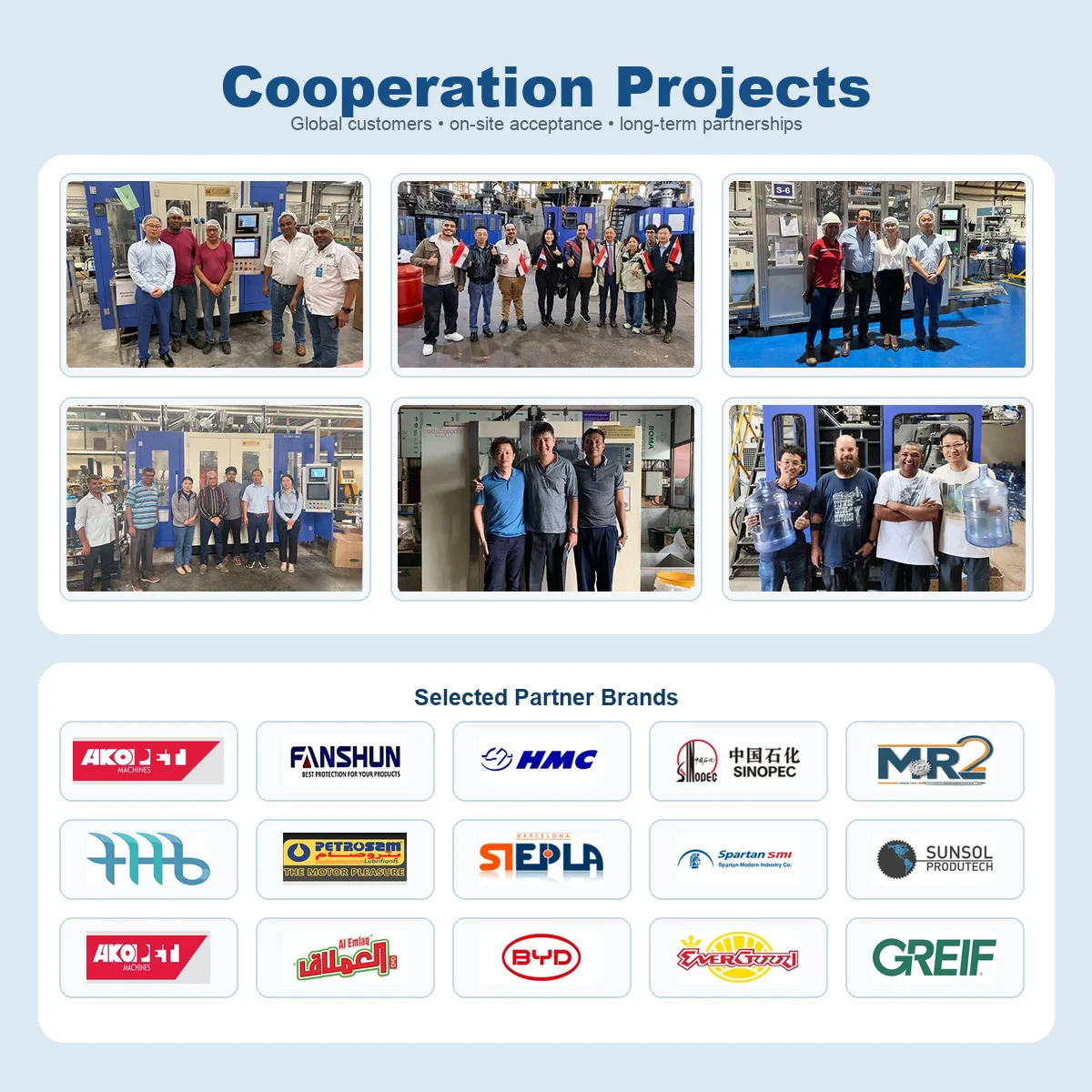
- Turnkey Projects: Plant layout design, machine and mold installation, commissioning, auxiliary equipment sourcing, and full operational testing before shipment.
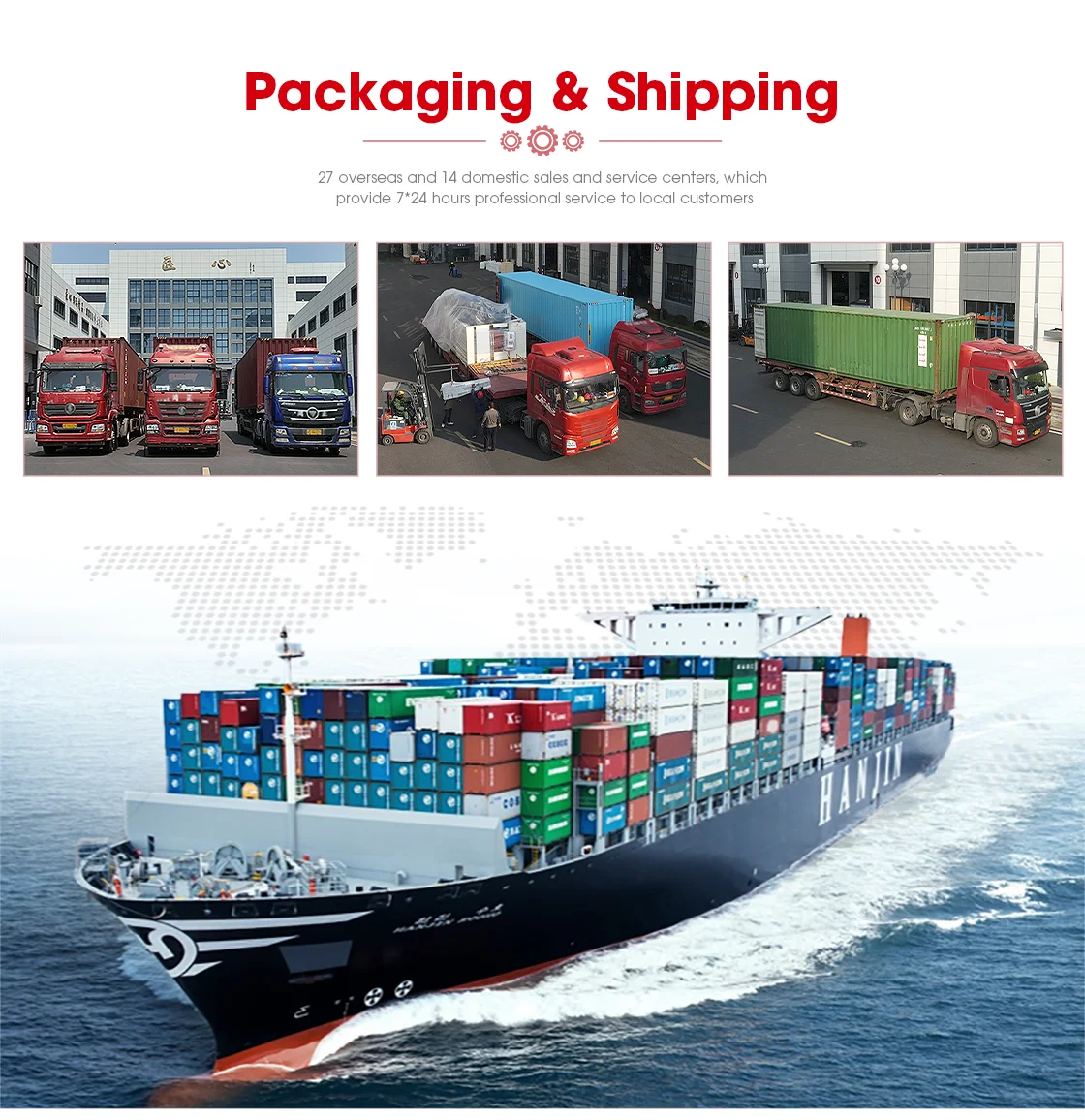
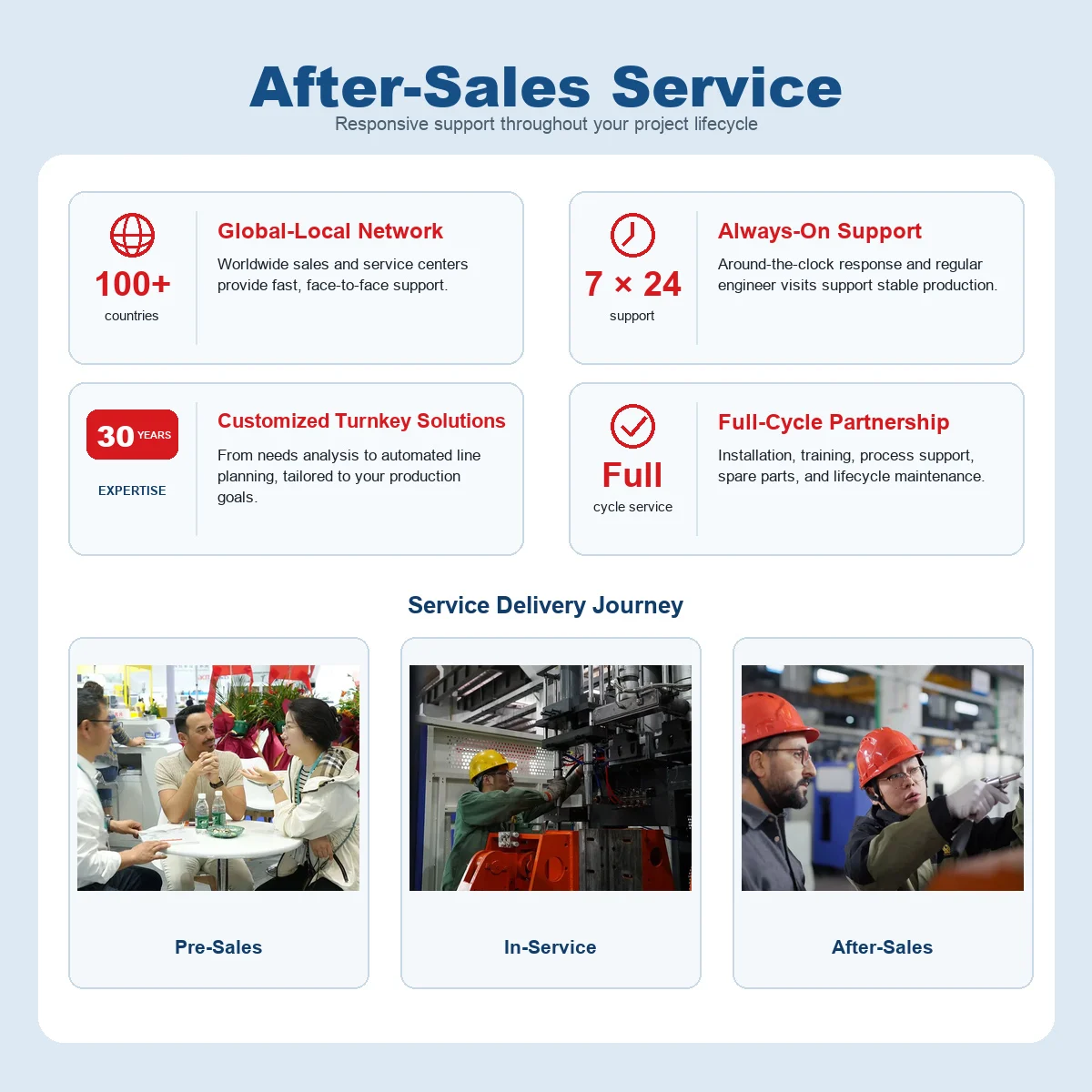
- After-Sales Support: 7×24 engineer availability, on-site installation and training, full spare parts supply. Service network covering 100+ countries.
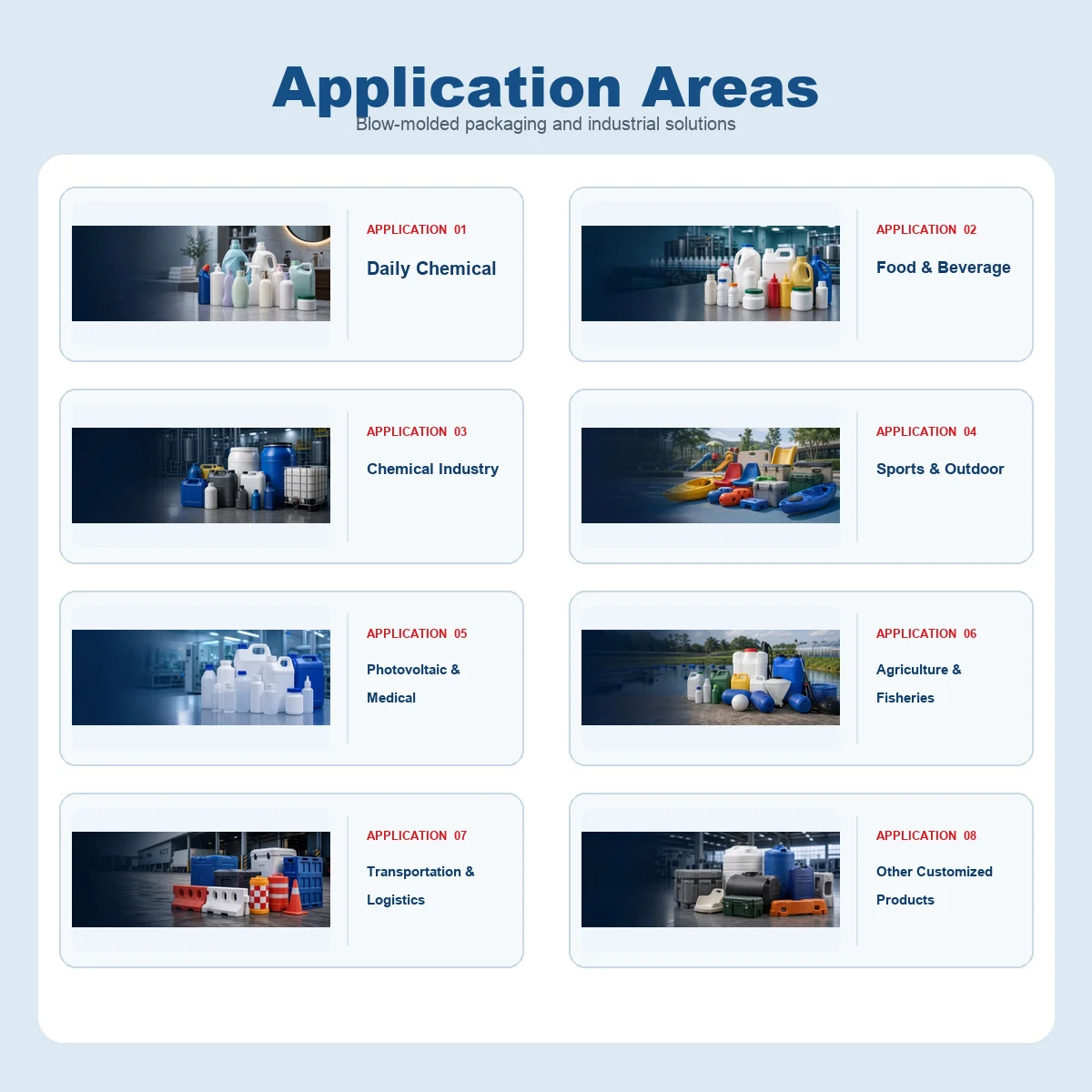
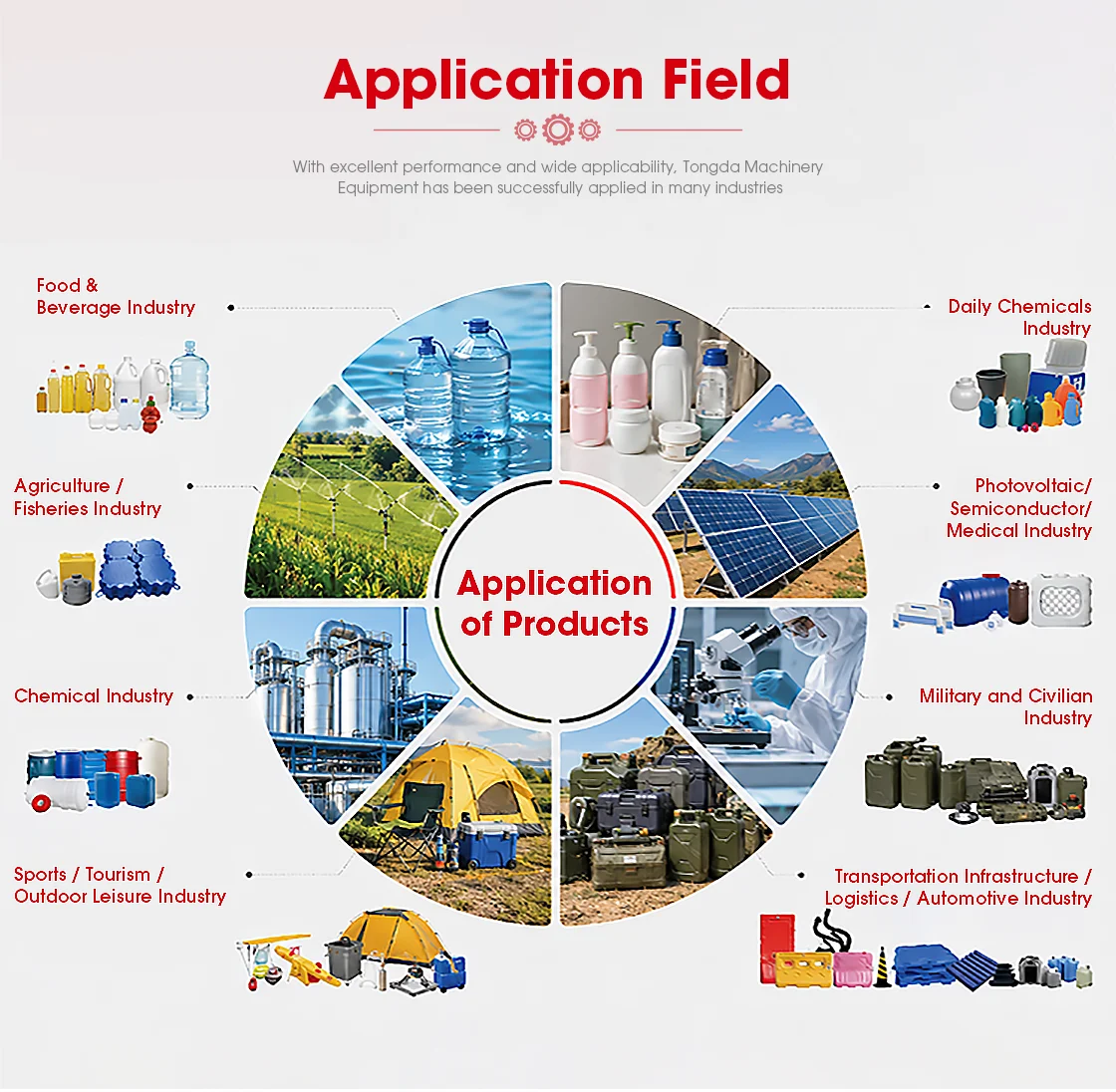
- Industry Applications: Chemical, daily chemical, automotive, agricultural, food packaging, outdoor equipment, medical, logistics, photovoltaic, and transportation sectors.
FAQs
What materials does this machine process?
HDPE, PE, and PP — covering the production needs of most industrial and daily packaging plastic products.
What is the lead time?
Approximately 60 days for customized machines after deposit. Stock machines ship faster. Actual cycle varies by customization scope.
Is on-site installation available?
Yes. Tongda dispatches experienced technicians for installation supervision, commissioning, and operator training globally.
Can the machine be customized?
Most Tongda machines are customized per customer requirements for container dimensions, materials, annual volume, and facility layout.
Request Specifications or a Quotation
If your facility requires contamination-free, energy-efficient blow molded container production — particularly for medical, food, or specialty chemical applications — the All Electric 2L Double Station High Speed Extrusion Blow Molding Machine merits a detailed review against your production cost structure. Contact Tongda with your container specifications and annual volume targets to receive a tailored recommendation.