12L All-Electric Extrusion


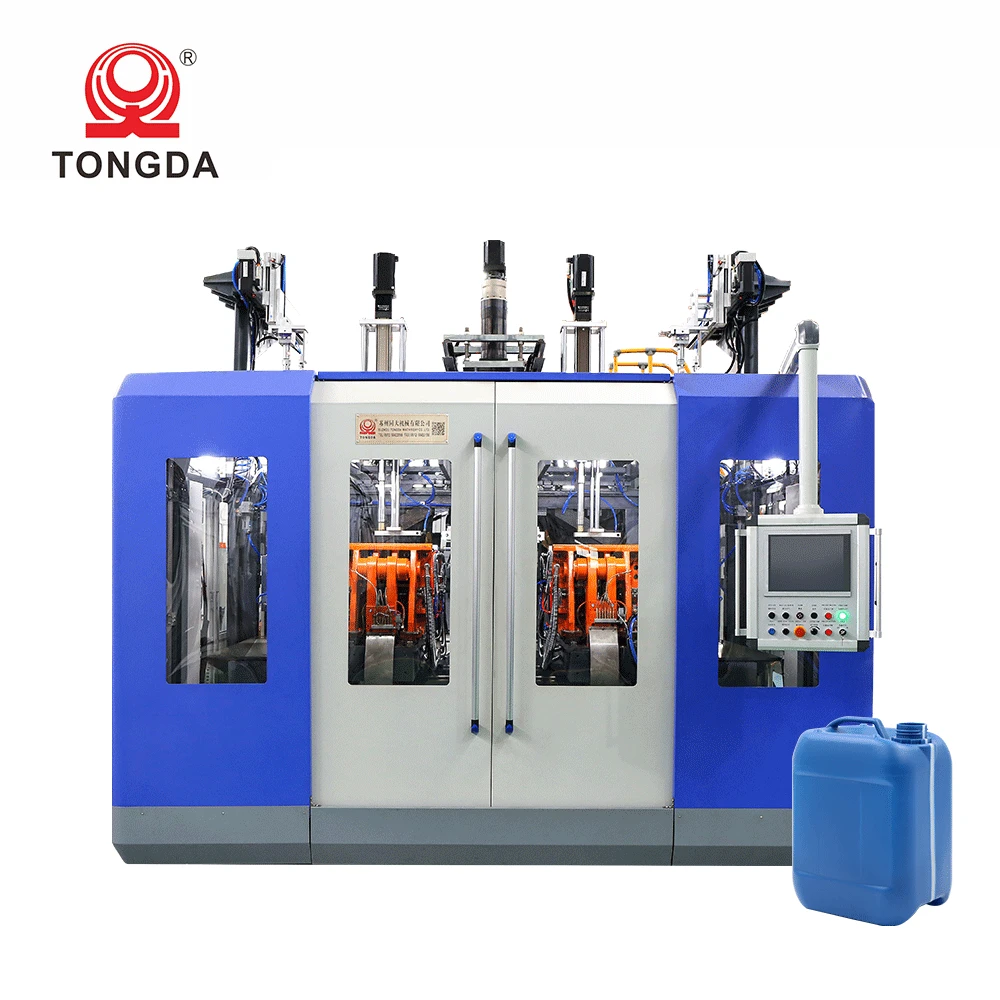
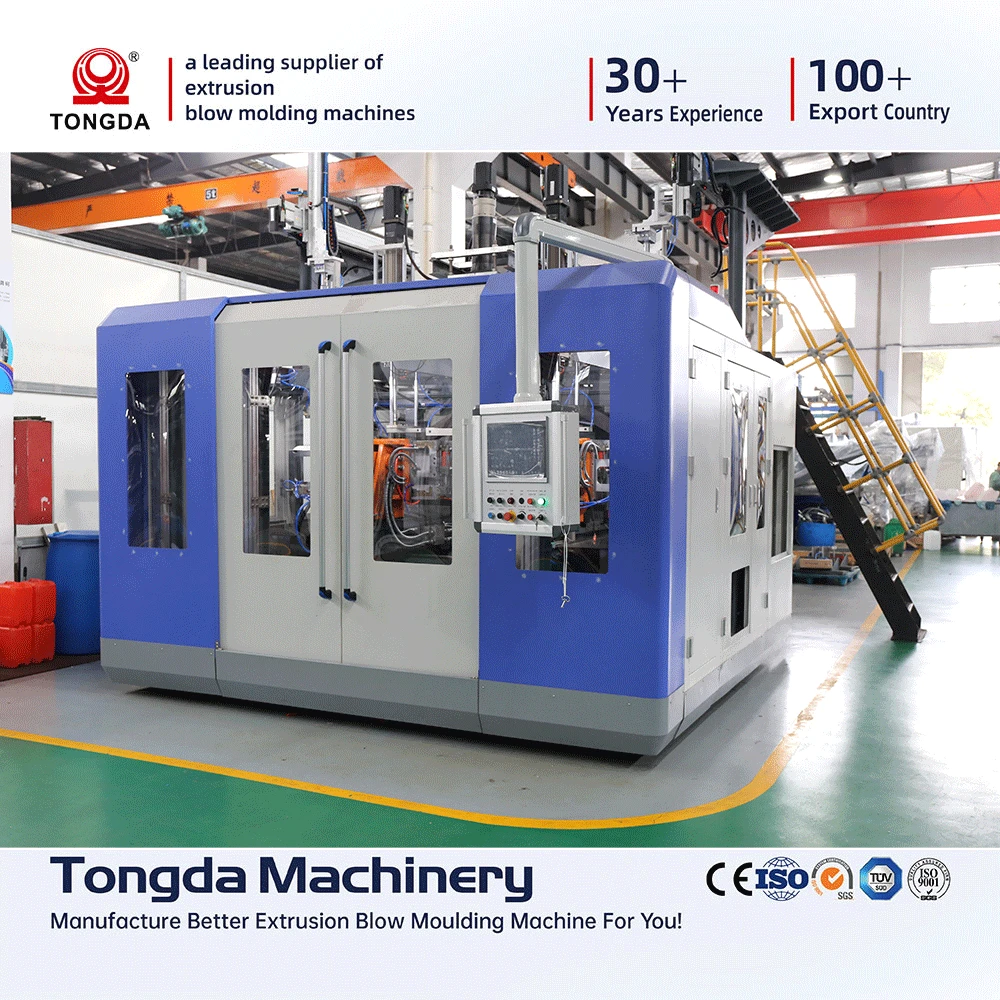
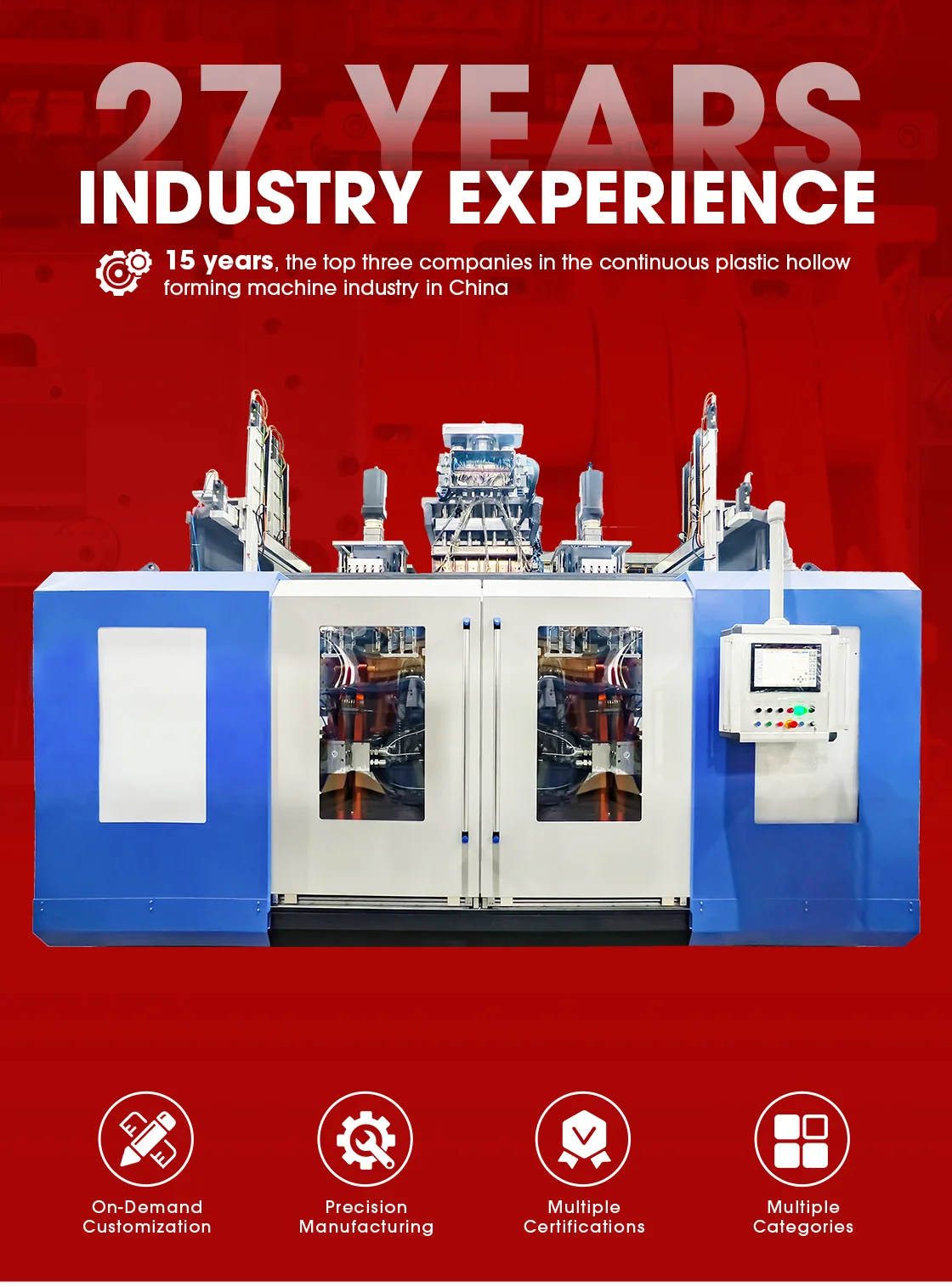
All Electric 12L Double Station High Speed Extrusion Blow Molding Machine
The All Electric 12L Double Station High Speed Extrusion Blow Molding Machine is engineered for manufacturers who require zero oil contamination and measurable energy savings in their hollow plastic container production. By replacing conventional hydraulic drive components with a fully electric servo architecture, this machine eliminates every hydraulic circuit from the production environment. The result is a blow molding platform that is structurally compatible with clean room requirements in the medical, food packaging, and wet electronic chemical industries — not through process controls applied after the fact, but through the fundamental design of the drive system itself.
When evaluating blow molding equipment for regulated industries, experience shows that focusing on clamping force specifications alone can lead to overlooking the more critical question: whether the drive architecture eliminates contamination risks entirely rather than requiring additional monitoring to manage them.
Key Technical Features
Full-Electric Drive — Zero Hydraulic Oil Risk
This All Electric 12L Double Station High Speed Extrusion Blow Molding Machine contains no hydraulic cylinders, oil reservoirs, or hydraulic seals. There is no mechanism by which hydraulic fluid can enter the production environment. In pharmaceutical, food contact, and electronic chemical packaging lines, removing this contamination source is a critical step toward clean room compliance — one that conventional hydraulic machines cannot achieve through operational controls alone. Electric drives also eliminate scheduled hydraulic fluid changes, reducing recurring maintenance cost over the machine's service life.
30–50% Energy Savings Over Hydraulic Equipment
Servo-electric systems consume energy on demand rather than running a hydraulic pump at continuous pressure. This architecture reduces total energy consumption by 30%–50% compared to equivalent hydraulic machines running the same production cycle. The savings apply across the full duty cycle — clamping, extrusion, blowing, and cooling — and compound over multi-shift 24-hour production schedules. For facilities operating in high electricity-cost regions, the reduction delivers a measurable and sustained decrease in annual operating expenditure.
Double Station — 10–15% Higher Throughput
The double station layout allows the blow-cooling phase at one station to overlap with the extrusion phase at the other. This parallel operation reduces idle time per production cycle and increases effective throughput by 10%–15% compared to a single-station machine of equivalent capacity. For production planners, the throughput gain improves shift output without proportionally increasing floor area requirements. Pushing cycle speed to its upper limit can raise throughput further, but typically at the cost of wall thickness consistency — finding the practical balance between speed and product uniformity is the more reliable approach to maximizing effective output.
Intelligent Control System
The integrated control platform provides fault early warning, production data storage, and process analytics. Alerts are issued before stoppages occur, enabling planned maintenance responses rather than reactive downtime management. Stored production records — cycle counts, timing deviations, alarm history — support quality traceability and continuous improvement programs required by regulated industry customers.
HDPE, PE, and PP Material Compatibility
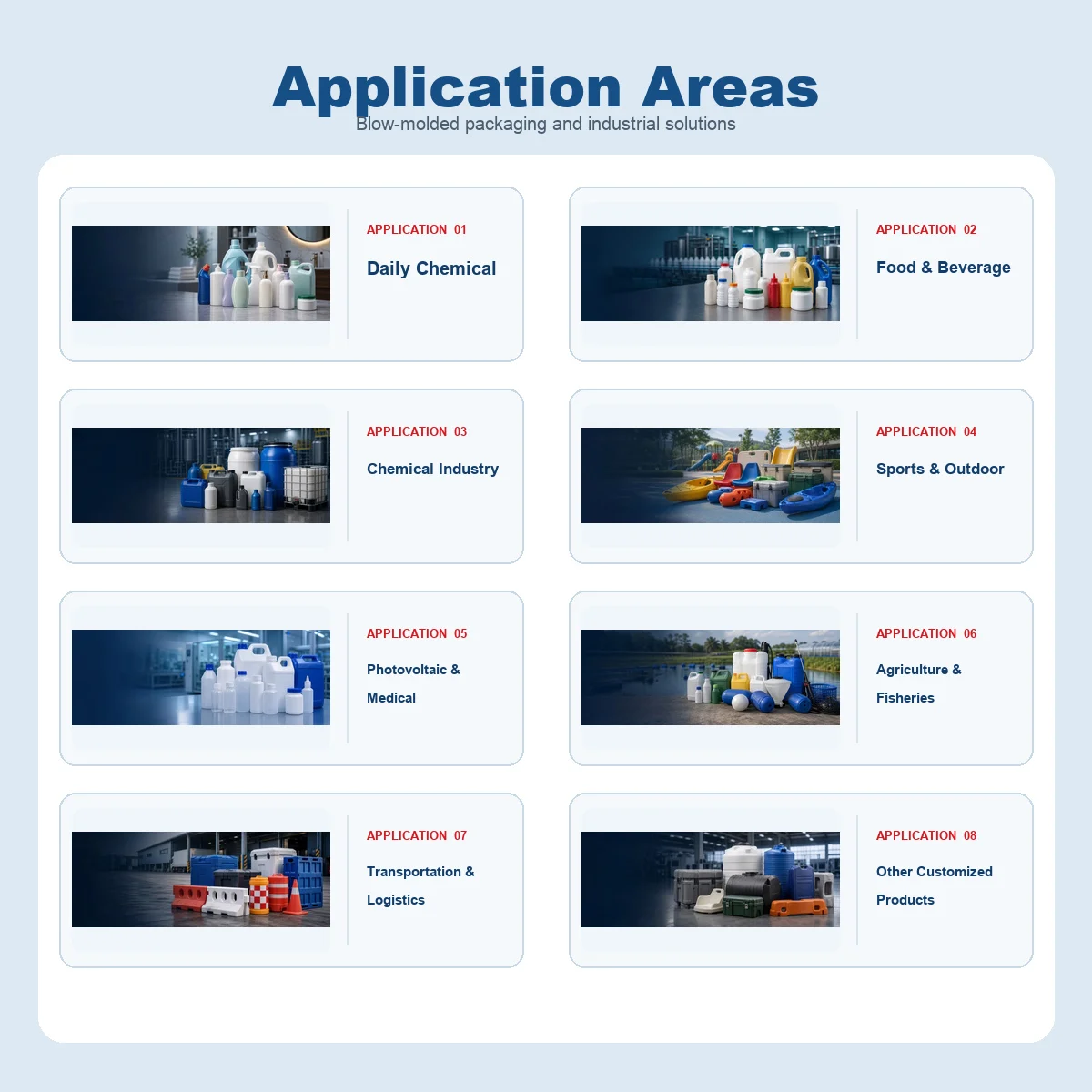
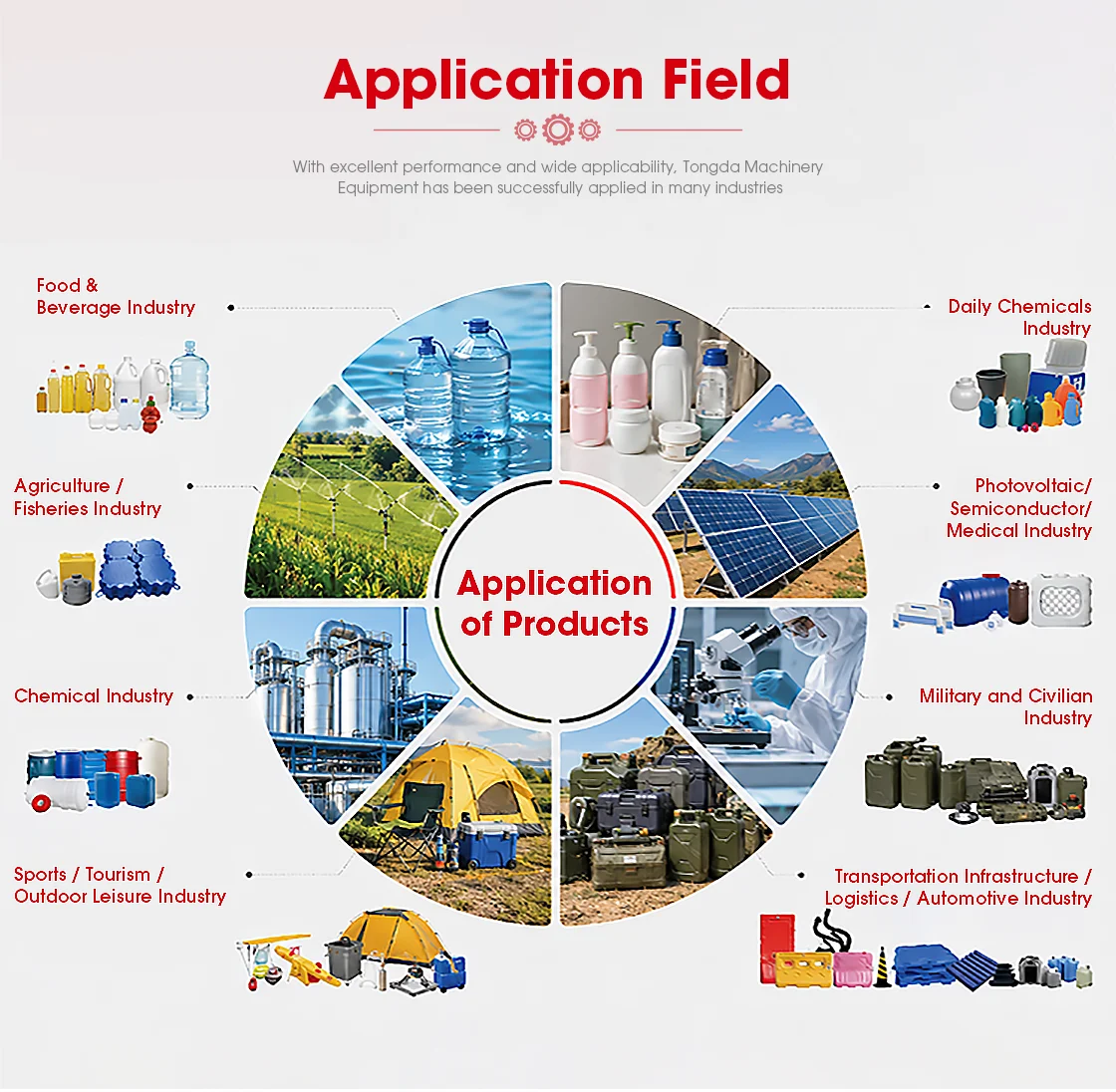
The machine processes high-density polyethylene (HDPE), polyethylene (PE), and polypropylene (PP) — the primary resins used in industrial and consumer hollow container manufacturing. This material range covers food-grade bottles, pharmaceutical containers, chemical storage vessels, and daily chemical packaging. Material changeovers follow standard purging and temperature adjustment procedures within the machine's operating parameters.
Application Scenarios
Medical and Pharmaceutical Clean Room Production
Pharmaceutical packaging and medical device container manufacturing require production environments free from oil contamination. A single hydraulic fluid ingress event can trigger batch rejection and regulatory audit. The fully electric design removes this risk class entirely. Producers of IV fluid containers, reagent bottles, sterile storage vessels, and diagnostic device packaging benefit from a machine architecture that removes hydraulic oil as a contamination source, simplifying the contamination control program for clean room compliance.
Food and Beverage Packaging
Food contact packaging production must maintain oil-free manufacturing environments. The electric drive system eliminates the hydraulic contamination vector inherent to conventional blow molding machinery. Combined with HDPE and PP processing capability, the machine produces food-contact-compliant bottles, jugs, and containers for edible oil, dairy, condiment, and beverage filling lines.
Wet Electronic Chemical Containers
Semiconductor cleaning agents, display panel chemicals, and photoresist carriers require containers produced in environments free from trace contamination. The zero-hydraulic-oil architecture of this machine meets that requirement at the equipment design level, providing a cleaner production baseline than hydraulic alternatives.
Technical Specifications
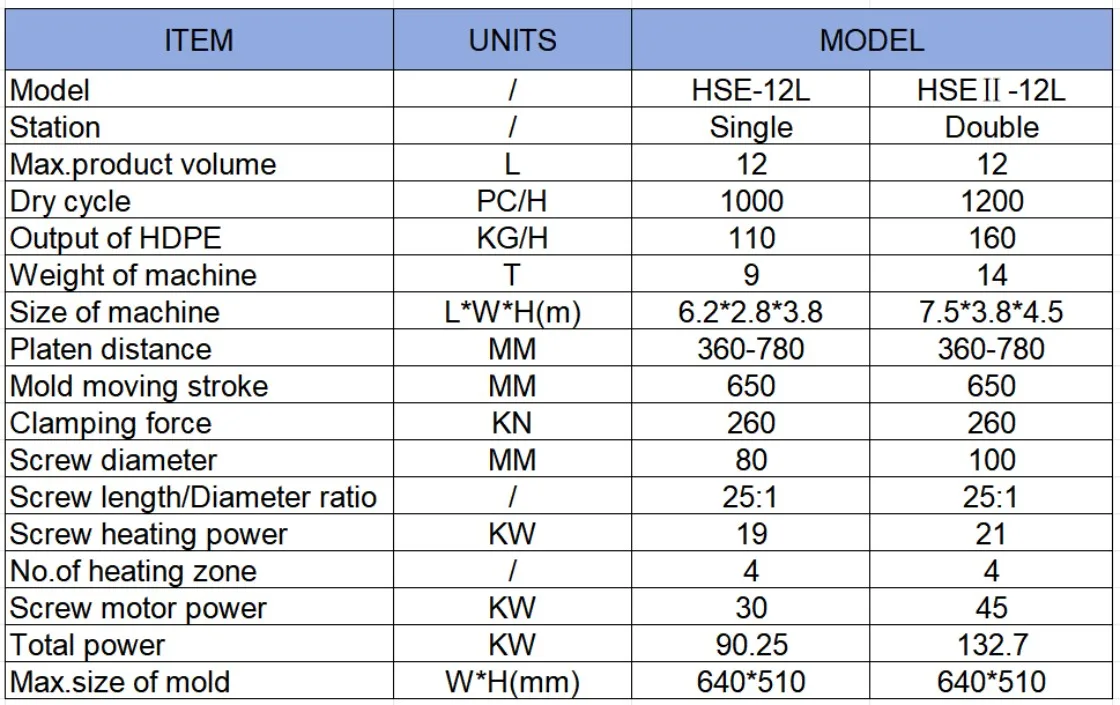
| Parameter | Specification |
|---|---|
| Drive System | Full-electric servo (no hydraulics) |
| Station Configuration | Double Station |
| Container Volume Range | 10mL – 50L |
| Compatible Materials | HDPE, PE, PP |
| Energy Savings | 30% – 50% vs. hydraulic |
| Throughput Improvement | 10% – 15% vs. single station |
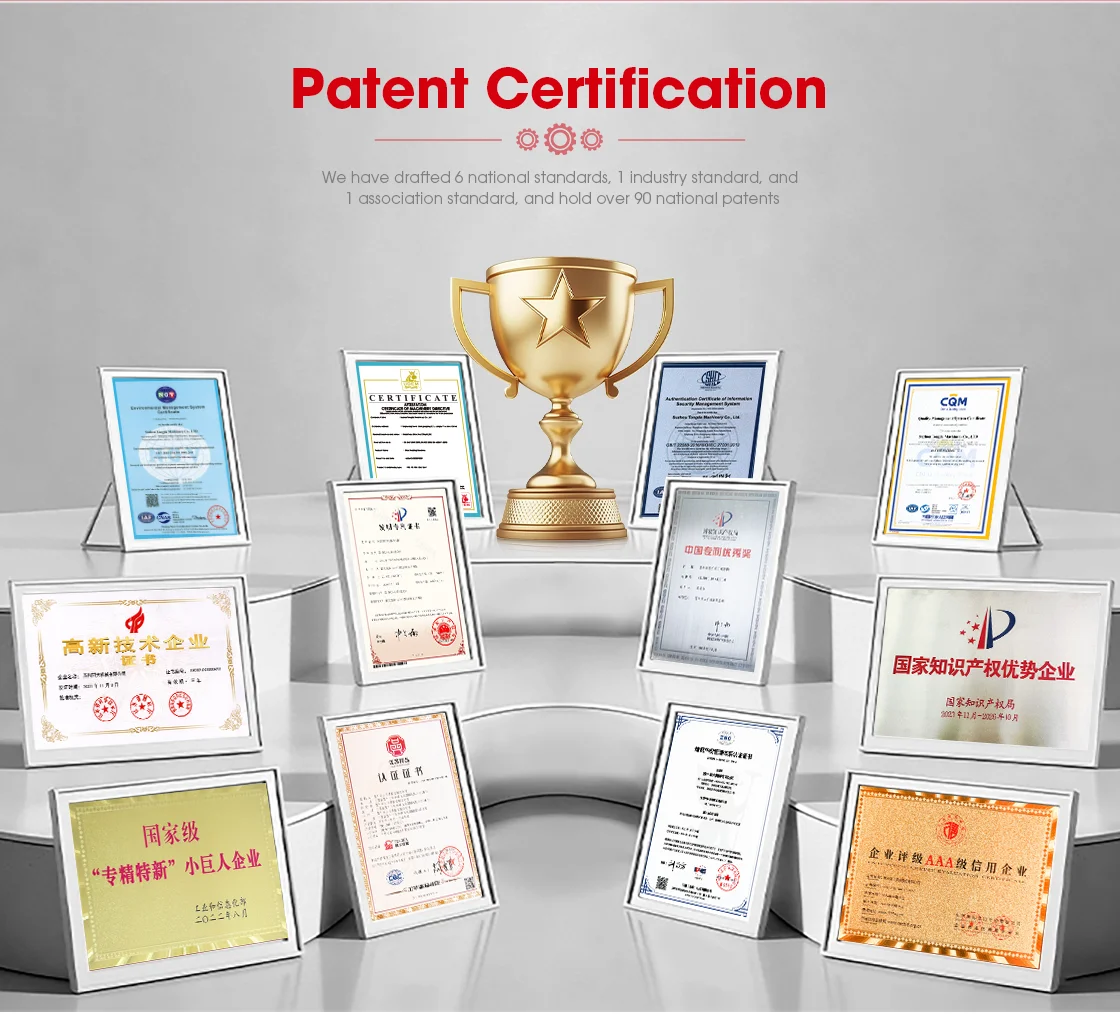
| Certifications | CE, ISO 9001, TUV, SGS |
| Lead Time (Custom) | ~60 days after deposit |
About Suzhou Tongda Machinery Co., Ltd.
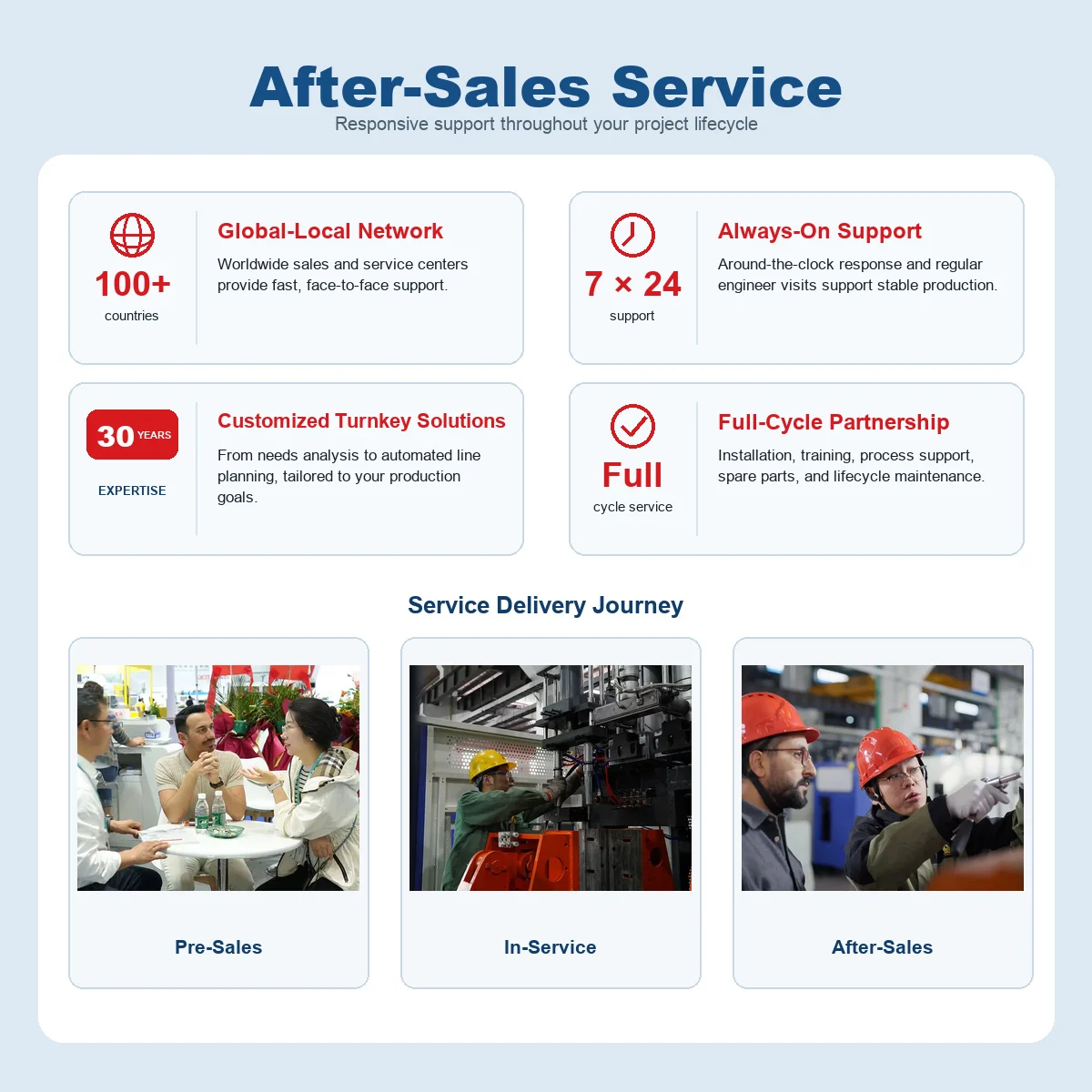
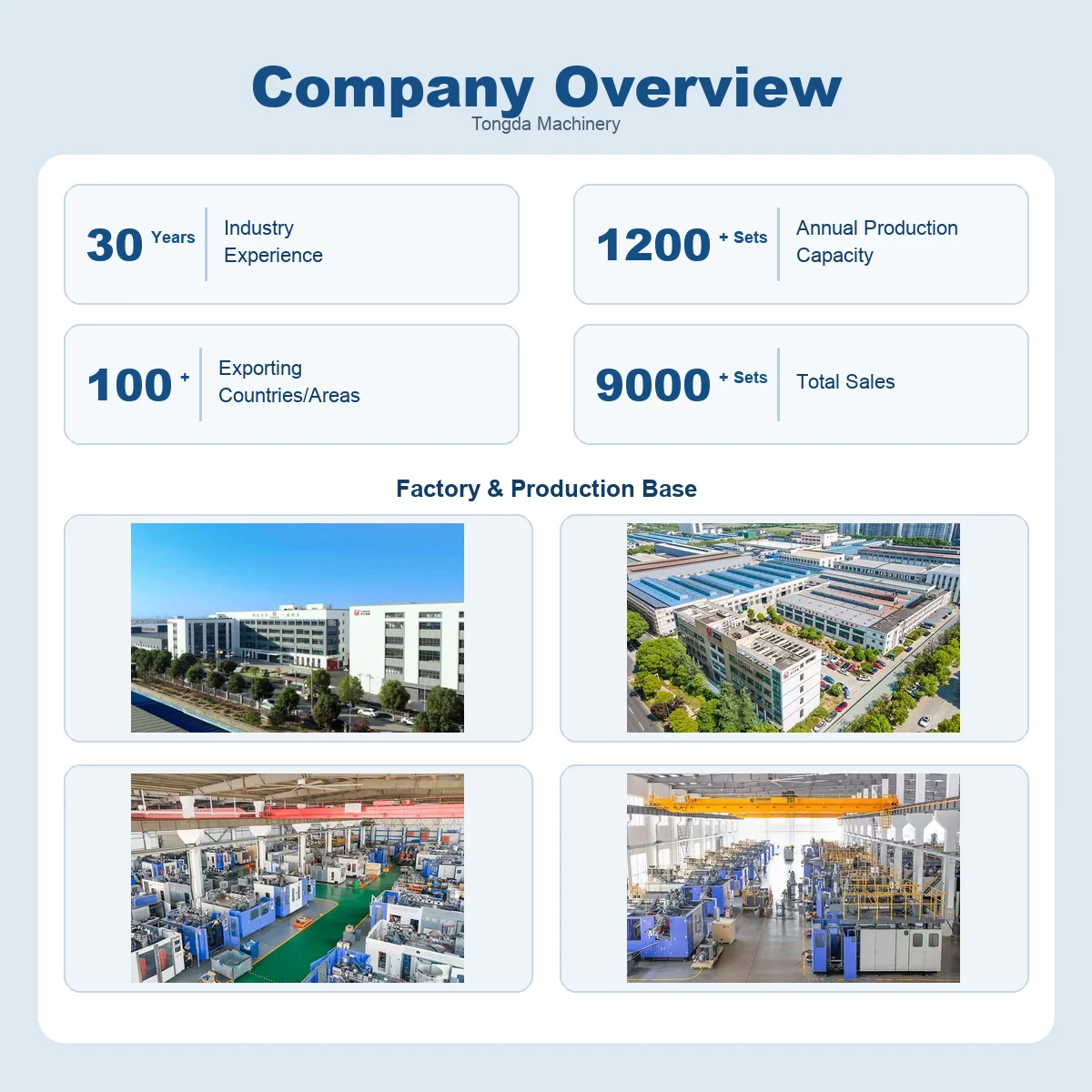
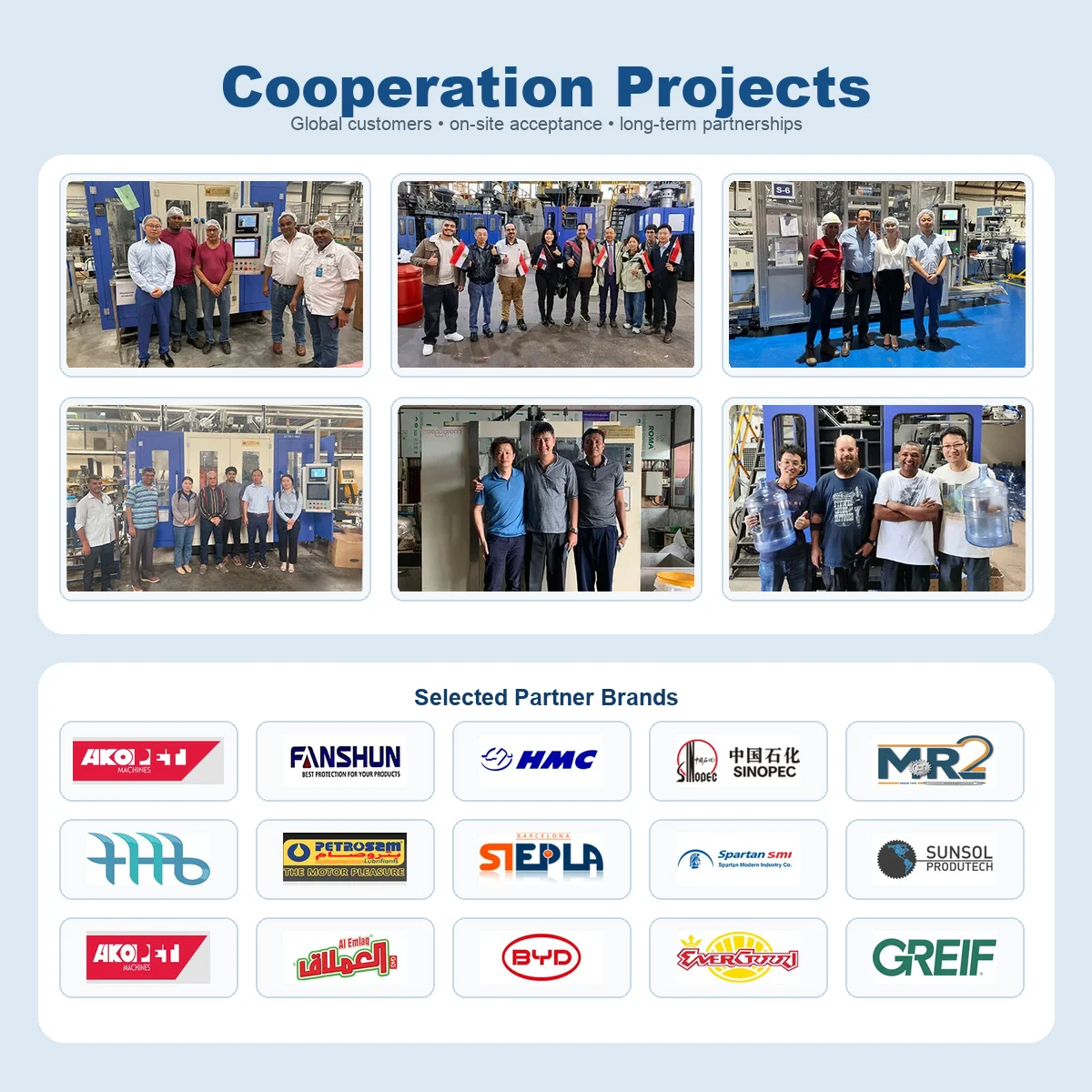
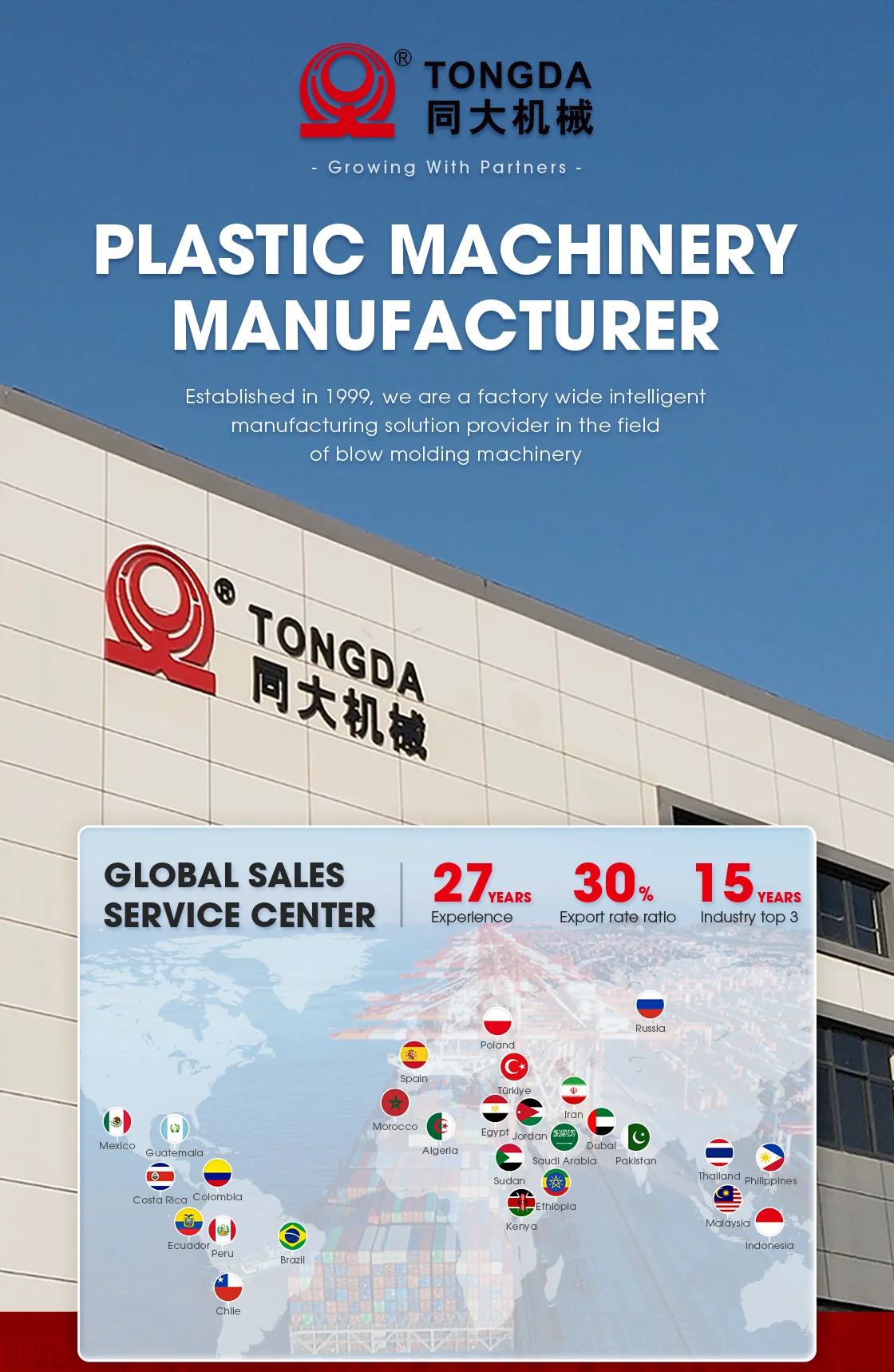
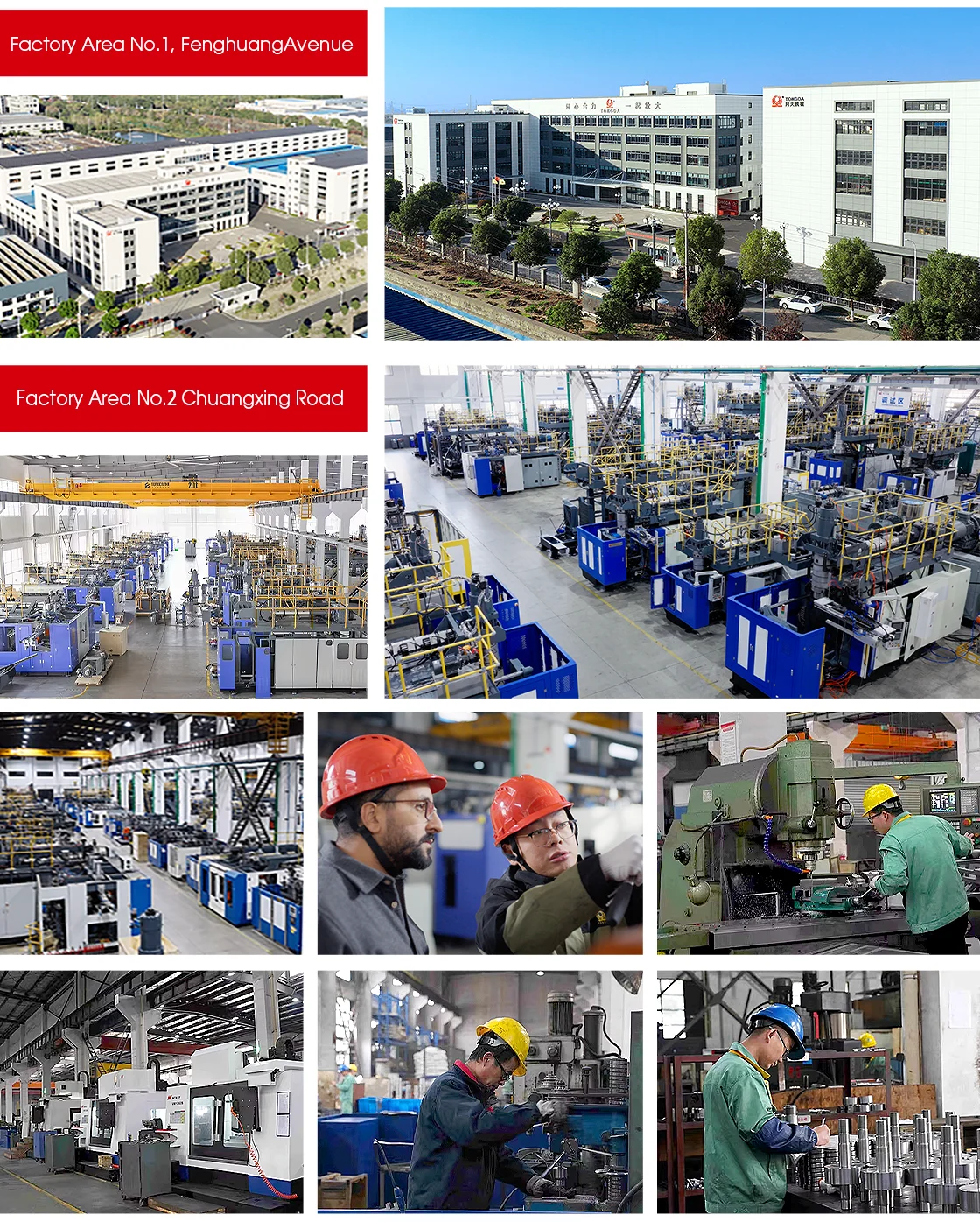
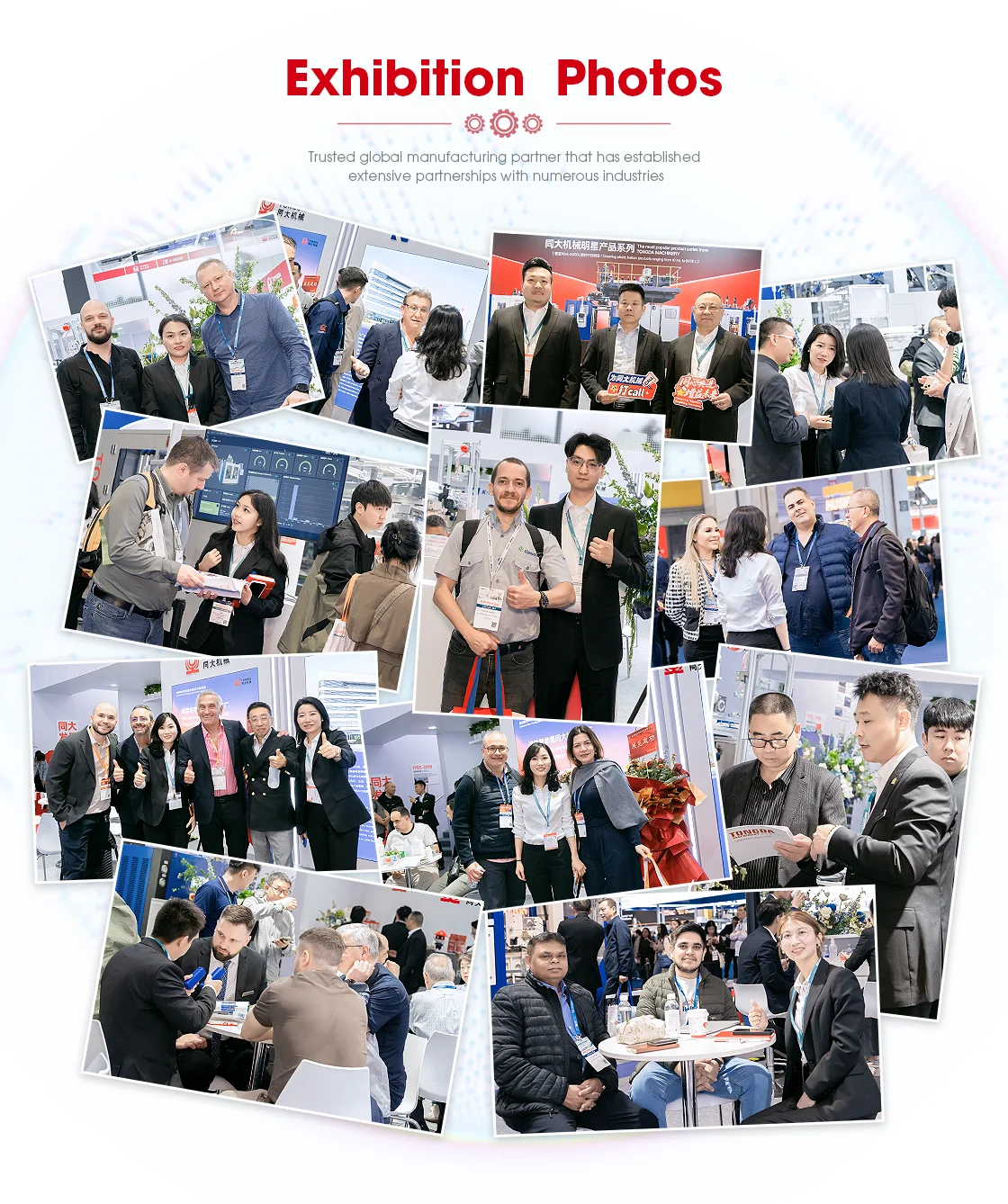
Founded in 1999, Suzhou Tongda Machinery Co., Ltd. has ranked among the top three extrusion blow molding equipment manufacturers in China for 15 consecutive years. The company serves as Vice President Unit of the China Plastics Machinery Industry Association, exports to over 100 countries, and has delivered more than 9,000 machines with annual production capacity exceeding 1,200 units. Certifications include CE, ISO 9001, TUV, and SGS. Tongda provides turnkey project support — plant layout, machine and mold installation, commissioning, operator training, and 24-hour post-delivery technical support. The company's experience across chemical, food, medical, logistics, photovoltaic, and automotive sectors means the application-specific requirements of each industry are reflected in the available machine configurations and service offerings.
Frequently Asked Questions
What materials does the machine process?
HDPE, PE, and PP — covering industrial, food-grade, pharmaceutical, and daily chemical hollow container requirements.
What is the lead time for a custom order?
Approximately 60 days after deposit for customized configurations. Stock machine lead times are shorter. The actual production cycle varies depending on the degree of customization and current production schedule.
Are spare parts included at delivery?
Yes, all necessary spare parts are provided before shipment. Contact Tongda for a complete packing list specific to your machine configuration.
What after-sales support is available internationally?
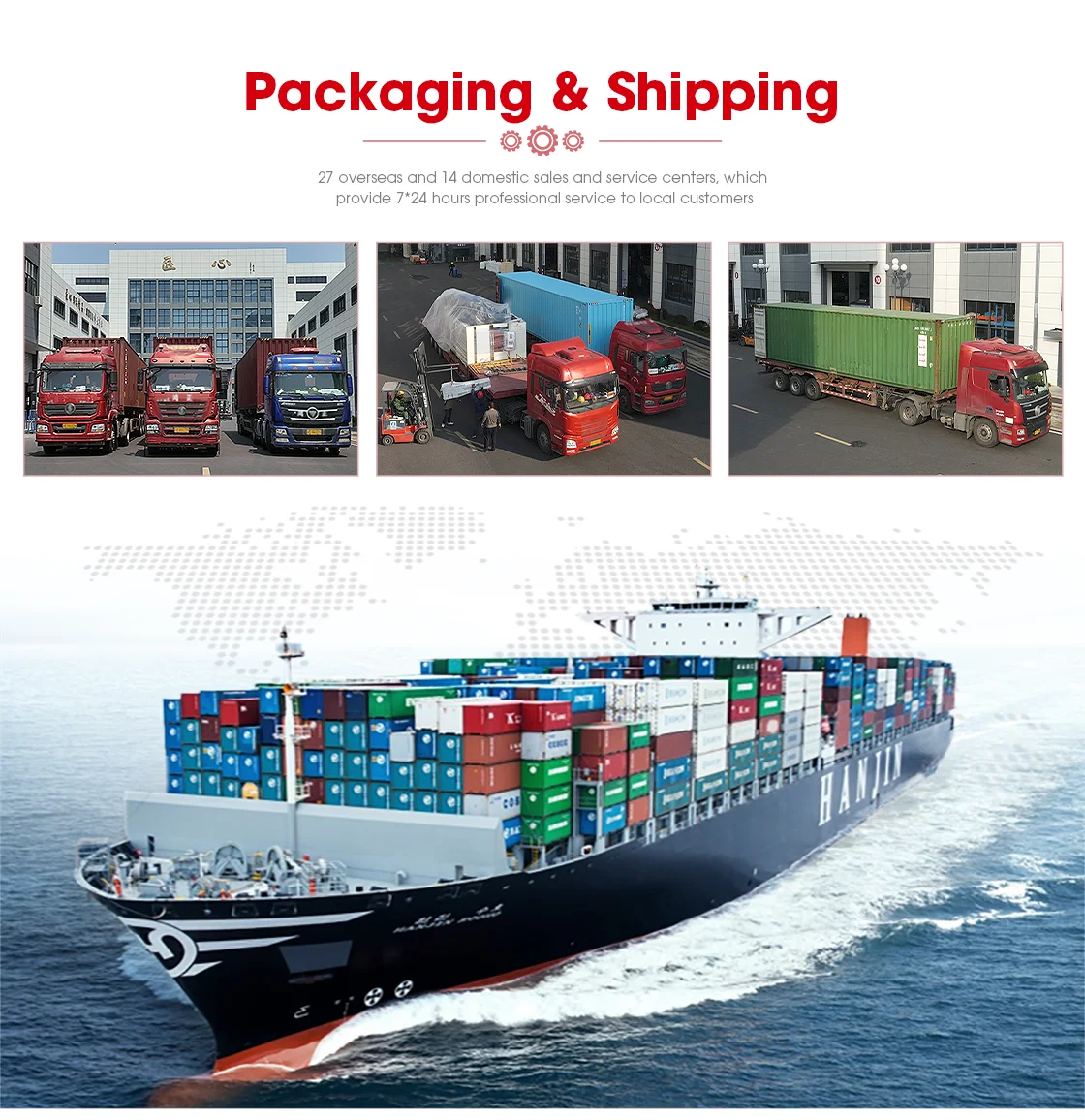
Operating manuals and engineer training before loading; 24-hour online support, video technical assistance, and field installation service after delivery. Technicians can be dispatched for on-site commissioning and operator training.
Request a Quotation
To receive a configuration proposal for the All Electric 12L Double Station High Speed Extrusion Blow Molding Machine tailored to your container specification, production volume, and facility requirements, contact Tongda with product size, shape, annual quantity, and reference photos. For clean room or regulated industry applications, specify your production environment classification so the proposal can address applicable configuration options. The team will recommend the appropriate machine configuration and provide a detailed quotation.